
Selecting the right printed circuit board forms the foundation of any successful electronic project, whether you're developing consumer gadgets, industrial equipment, or advanced IoT devices. The quality of your PCB directly impacts the performance, reliability, and longevity of your final product, making this decision critical for engineers and manufacturers alike. Understanding the key factors that differentiate high-quality boards from substandard alternatives can save you from costly redesigns, component failures, and market delays.
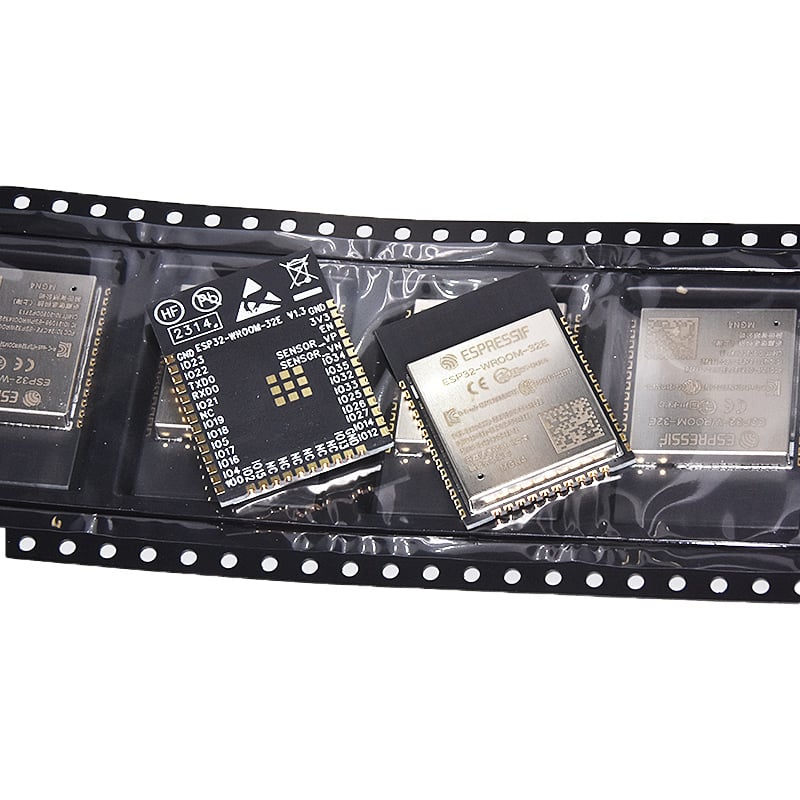
High-quality PCB manufacturing adheres to stringent international standards that govern everything from material composition to fabrication processes. The IPC-A-600 standard defines acceptability criteria for printed boards, while IPC-6012 establishes performance specifications for rigid boards. These standards ensure that your PCB meets minimum requirements for electrical performance, mechanical integrity, and environmental resistance. Manufacturers who follow these guidelines typically produce boards with superior reliability and consistent quality across production batches.
ISO 9001 certification indicates that a PCB manufacturer maintains comprehensive quality management systems throughout their operations. This certification covers design control, document management, supplier evaluation, and continuous improvement processes. When evaluating potential suppliers, prioritize those with current ISO certifications and a documented track record of compliance audits.
The substrate material forms the backbone of every printed circuit board, and selecting appropriate materials significantly impacts performance and durability. FR-4 glass epoxy remains the most common substrate for standard applications, offering excellent mechanical strength, electrical insulation, and thermal stability. However, high-frequency applications may require specialized materials like Rogers or Teflon-based substrates that minimize signal loss and maintain consistent electrical properties.
Copper foil quality directly affects the electrical performance of your PCB design. Premium boards use high-purity copper with uniform thickness distribution, typically specified in ounces per square foot. Standard applications work well with 1-ounce copper, while high-current designs may require 2-ounce or heavier copper weights. The adhesion between copper and substrate layers must meet stringent peel strength requirements to prevent delamination during thermal cycling.
Proper layer stack-up design ensures optimal signal integrity and electromagnetic compatibility in your electronic system. Multi-layer boards require careful impedance control to maintain signal quality, especially for high-speed digital circuits and RF applications. A well-designed PCB incorporates dedicated ground planes and power planes that provide stable reference voltages and minimize noise coupling between different circuit sections.
Via technology plays a crucial role in maintaining signal integrity across multiple layers. Through-hole vias, blind vias, and buried vias each serve specific purposes in complex designs. High-density interconnect technology enables smaller via sizes and tighter spacing, allowing for more compact designs without compromising electrical performance. The aspect ratio of vias affects manufacturing reliability, with lower ratios generally producing more consistent plating coverage.
Effective thermal management extends the operational life of electronic components and maintains system reliability under varying environmental conditions. Quality PCB designs incorporate thermal vias, copper pours, and strategic component placement to distribute heat evenly across the board surface. The thermal conductivity of the substrate material becomes particularly important in power electronics applications where components generate significant heat.
Metal-core PCB designs offer superior heat dissipation compared to traditional FR-4 substrates, making them ideal for LED lighting, power supplies, and motor control applications. These specialized boards feature aluminum or copper cores that conduct heat away from critical components, reducing operating temperatures and improving long-term reliability.
Manufacturing precision directly impacts the functionality and reliability of your finished PCB assembly. Drill accuracy affects component placement precision, while etching quality determines trace width consistency and impedance control. High-quality manufacturers maintain tight tolerances on critical dimensions, typically achieving drill positional accuracy within ±0.002 inches and trace width variations under 10% of nominal values.
Surface finish selection influences both assembly processes and long-term reliability. Hot air solder leveling provides good solderability and cost-effectiveness for standard applications, while electroless nickel immersion gold offers superior flatness and corrosion resistance for fine-pitch components. Lead-free HASL complies with RoHS requirements while maintaining excellent soldering characteristics for most component types.
Comprehensive testing protocols verify that each PCB meets design specifications before shipment to assembly facilities. Electrical testing includes continuity checks, insulation resistance measurements, and impedance verification for controlled impedance traces. Advanced testing methods such as time domain reflectometry can identify signal integrity issues that might not appear in basic electrical tests.
Automated optical inspection systems examine solder mask registration, copper trace quality, and drill hole accuracy using high-resolution cameras and sophisticated image processing algorithms. These systems can detect defects that human inspectors might miss, ensuring consistent quality across large production volumes. Statistical process control data helps identify manufacturing trends and prevent quality issues before they affect shipped products.
Evaluating a PCB manufacturer's technical capabilities ensures they can produce boards that meet your specific requirements throughout the product lifecycle. Consider factors such as minimum trace width and spacing, maximum layer count, available via technologies, and substrate material options. Manufacturers with diverse capabilities can accommodate design changes and future product iterations without requiring new supplier relationships.
Production capacity and lead times significantly impact product development schedules and inventory management strategies. Establish clear expectations for prototype delivery, production volumes, and expedited processing options. Reliable suppliers maintain adequate capacity to handle rush orders without compromising quality standards or delaying other customers' projects.
Supplier location affects shipping costs, lead times, and communication effectiveness throughout the product development process. Domestic suppliers often provide faster turnaround times and easier collaboration, while offshore manufacturers may offer cost advantages for high-volume production. Consider the total cost of ownership including shipping, duties, inventory carrying costs, and potential delays when comparing supplier options.
Supply chain resilience has become increasingly important in recent years, with global events disrupting traditional manufacturing and shipping patterns. Diversifying PCB suppliers across different geographic regions can reduce risk exposure and maintain production continuity during supply chain disruptions. Establishing relationships with multiple qualified suppliers provides flexibility in managing cost, capacity, and delivery requirements.
Thorough electrical testing validates that your PCB performs according to design specifications under various operating conditions. In-circuit testing verifies component values, polarity, and basic functionality using specialized test fixtures and automated test equipment. Boundary scan testing provides comprehensive coverage for digital circuits while minimizing the need for physical test points.
High-frequency applications require specialized testing to verify signal integrity, crosstalk levels, and impedance matching. Vector network analyzers measure S-parameters that characterize the electrical behavior of transmission lines and connectors at specific frequencies. These measurements help identify potential signal quality issues before they affect system performance in the field.
Environmental stress testing exposes PCB assemblies to temperature cycling, humidity, vibration, and other conditions that simulate real-world operating environments. Thermal cycling tests reveal potential solder joint failures, component mounting issues, and substrate delamination problems that might not appear under normal laboratory conditions. These tests help establish product reliability expectations and identify design improvements.
Accelerated life testing applies elevated stress levels to predict long-term reliability within reasonable test timeframes. Temperature-humidity bias testing, highly accelerated life testing, and thermal shock testing each focus on different failure mechanisms that can affect PCB reliability. Proper test planning considers the intended application environment and establishes acceptance criteria based on industry standards and customer requirements.
While premium PCB options typically require higher initial investment, they often provide superior long-term value through reduced warranty claims, improved customer satisfaction, and extended product lifecycles. Calculate the total cost of ownership including design costs, manufacturing expenses, quality control, field failures, and customer support. High-quality boards may justify their premium pricing through reduced overall system costs and improved market competitiveness.
Volume pricing considerations become important for products with extended production lifecycles or seasonal demand patterns. Establish clear pricing agreements that account for material cost fluctuations, technology improvements, and volume commitments. Some manufacturers offer price protection programs that stabilize costs over extended periods, helping with product cost forecasting and pricing strategies.
Optimizing PCB designs for manufacturing reduces production costs while improving quality and reliability. Design rules such as minimum trace widths, via sizes, and component spacing directly impact manufacturing yield and cost. Working closely with your PCB manufacturer during the design phase helps identify cost reduction opportunities without compromising performance requirements.
Standardizing on common materials, stackups, and fabrication processes across multiple product lines can provide economies of scale and simplify inventory management. However, avoid over-standardization that forces suboptimal designs or prevents taking advantage of new technologies that could improve performance or reduce costs.
Key quality indicators include industry certifications like ISO 9001 and IPC compliance, documented quality control processes, statistical process control data, customer references, and willingness to provide process documentation. Look for manufacturers who perform comprehensive electrical testing, maintain clean manufacturing environments, and have established procedures for handling quality issues. Request samples and perform your own evaluation testing to verify claimed capabilities.
Substrate selection depends on your specific electrical, thermal, and mechanical requirements. Standard FR-4 works well for most applications up to moderate frequencies and temperatures. High-frequency designs may require low-loss materials like Rogers or Isola substrates. High-power applications benefit from metal-core substrates or thermally enhanced materials. Consider factors such as operating frequency, power dissipation, environmental conditions, and cost constraints when making material selections.
Prototype testing should include electrical functionality verification, signal integrity analysis, thermal performance evaluation, and mechanical stress testing. Perform electrical tests under various operating conditions, measure critical timing parameters, and verify that thermal performance meets design requirements. Consider accelerated life testing for critical applications or products with extended warranty periods. Document all test results and use them to refine manufacturing specifications.
Focus on quality aspects that directly impact your application requirements while avoiding over-specification in areas that don't affect performance. Standardize designs where possible to achieve volume discounts, but don't compromise critical performance parameters. Consider the total cost of ownership including warranty costs, field failures, and customer support when evaluating options. Work with experienced PCB manufacturers who can suggest cost-effective alternatives that meet your performance requirements.