
Electromagnetic relays serve as critical switching components in industrial automation, power distribution systems, and control circuits across manufacturing environments. Their ability to control high-power loads through low-power signals makes them indispensable, yet their mechanical nature introduces wear patterns that directly impact operational continuity. Understanding how to maximize the functional lifespan of electromagnetic relays requires addressing both intrinsic design factors and external operational conditions that accelerate degradation. This comprehensive guide explores proven strategies to extend relay service life while maintaining switching reliability and system performance.
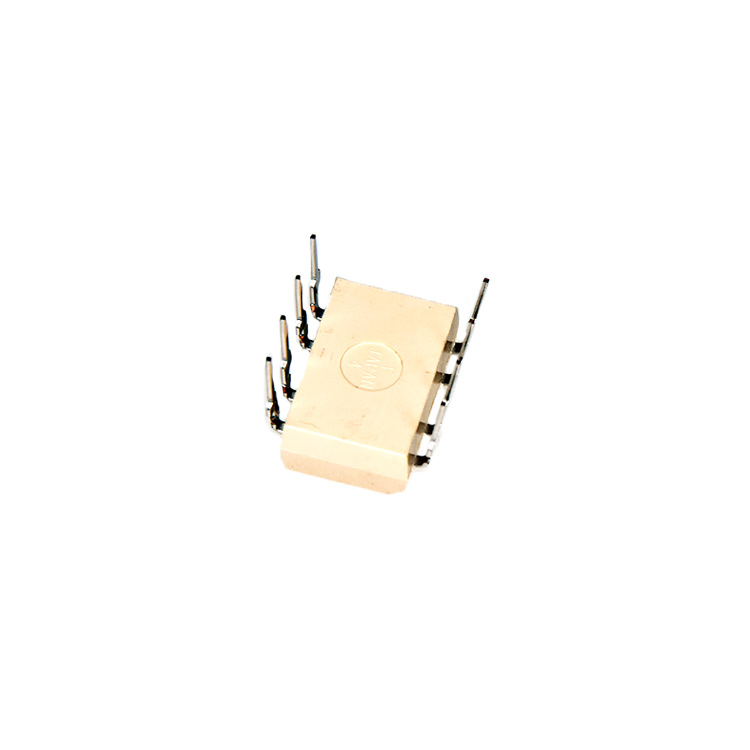
The longevity of electromagnetic relays depends on managing mechanical contact erosion, coil thermal stress, and environmental contamination through deliberate specification choices and operational discipline. While manufacturers rate electromagnetic relays for millions of switching cycles under ideal laboratory conditions, real-world installations frequently achieve only a fraction of this theoretical lifespan due to voltage transients, contact arcing, and inadequate protection circuitry. By implementing voltage suppression techniques, selecting appropriate contact ratings, and establishing preventive maintenance protocols, engineers can systematically reduce failure modes and achieve relay operation that approaches or exceeds design specifications even in demanding industrial applications.
The primary lifespan limitation for electromagnetic relays stems from electrical arcing during contact make-and-break operations. When contacts separate under load, the collapsing magnetic field induces voltage spikes that ionize air between contact surfaces, creating plasma arcs that reach temperatures exceeding 3000°C. These extreme thermal events vaporize contact material, gradually forming pits on one contact and corresponding buildup on the opposing surface. The cumulative effect of thousands of switching cycles creates irregular contact geometry that increases resistance and eventually prevents reliable circuit closure.
Arc severity correlates directly with circuit inductance and switching current magnitude. Motor loads and transformer circuits present particularly challenging conditions because their high inductance generates substantial back-EMF during disconnection. Electromagnetic relays switching inductive loads experience accelerated contact wear compared to resistive load applications. The arc duration extends as contacts separate, transferring more material and creating deeper erosion patterns that compromise the contact's ability to conduct rated current without overheating.
Contact material selection influences wear resistance significantly, with silver alloys offering optimal conductivity while gold plating provides superior corrosion resistance for low-level signal applications. Engineers must match electromagnetic relays contact specifications to actual load characteristics rather than simply ensuring the relay's nominal current rating exceeds circuit requirements. A relay rated for 10 amperes resistive load may only reliably switch 3 amperes of inductive load due to the dramatically different arc energy involved in these distinct applications.
The electromagnetic coil that generates the magnetic field for contact actuation experiences thermal aging that progressively weakens insulation integrity. Copper wire windings in electromagnetic relays are coated with enamel insulation rated for specific maximum temperatures, typically ranging from 105°C to 180°C depending on insulation class. Operating the coil near its thermal limit accelerates chemical degradation of the insulation polymer, causing it to become brittle and eventually crack. These insulation failures create turn-to-turn shorts that alter coil resistance and magnetic field strength.
Ambient temperature combines with resistive heating from coil current to establish the actual operating temperature experienced by electromagnetic relays windings. Installation locations near heat-generating equipment or inside inadequately ventilated enclosures can elevate coil temperatures 20°C to 40°C above ambient, dramatically reducing expected service life. The Arrhenius equation describes how insulation life halves for approximately every 10°C temperature increase above rated conditions, making thermal management crucial for achieving manufacturer-specified operating hours.
Voltage overshoot during coil energization contributes additional thermal stress beyond steady-state conditions. Many control circuits apply full system voltage to electromagnetic relays coils, causing initial inrush current that can reach 150% to 200% of nominal operating current. This surge generates instantaneous heating that stresses insulation materials, particularly if rapid switching cycles prevent adequate cooling between energization events. Implementing current-limiting circuits or selecting relays with built-in coil protection extends insulation service life substantially.
The return spring mechanism in electromagnetic relays undergoes cyclic stress with each switching operation, gradually experiencing material fatigue that reduces contact force. Adequate contact pressure ensures low-resistance connections and prevents contact bounce during closure. As spring tension degrades through repeated compression cycles, contact force diminishes, leading to increased contact resistance and potential arcing even during steady-state conduction. This mechanical wear mode becomes particularly problematic in high-frequency switching applications.
Spring material properties determine fatigue resistance, with beryllium copper and stainless steel alloys offering superior cycle life compared to conventional spring steel. Manufacturers design electromagnetic relays with spring preload that accounts for expected fatigue over the rated mechanical life, typically specified separately from electrical life since mechanical operations without load switching don't generate contact erosion. Understanding this distinction helps engineers predict realistic service intervals based on actual application duty cycles.
RC snubber circuits connected across inductive loads dramatically reduce arc energy by providing an alternative current path during contact opening. The capacitor in the snubber network absorbs energy from the collapsing magnetic field, limiting voltage rise rate and reducing arc intensity. Proper snubber design requires calculating appropriate resistance and capacitance values based on load inductance and circuit voltage. A typical starting point involves selecting capacitor values between 0.1µF and 1µF with series resistance calculated to provide critical damping.
Installing snubbers directly at electromagnetic relays contacts proves more effective than load-side placement because it addresses the voltage transient at its source. The physical proximity minimizes parasitic inductance in the suppression circuit, allowing faster response to switching transients. For DC circuits, diode suppression across the load provides excellent protection by clamping reverse voltage to a single diode drop above supply potential, though this extends relay drop-out time by allowing extended current decay through the load.
AC circuit protection requires bidirectional suppression using metal oxide varistors or back-to-back zener diodes configured across relay contacts. These devices remain non-conductive during normal operation but clamp voltage excursions above their breakdown threshold, dissipating transient energy that would otherwise erode contacts. Selecting suppression devices with appropriate voltage ratings ensures they activate only during transient conditions without interfering with normal circuit operation or introducing leakage current.
Mechanical contact bounce during relay closure creates multiple brief arcing events that cumulatively damage contact surfaces. When contacts first touch, they rebound due to mechanical inertia, briefly separating before making final solid contact. This bouncing period typically lasts 1 to 5 milliseconds and can involve multiple bounce cycles. Each bounce creates a micro-arc that transfers material and roughens contact surfaces, accelerating long-term degradation of electromagnetic relays switching elements.
Electronic debouncing circuits using SR latches or retriggerable monostable multivibrators can mask contact bounce from downstream circuitry, but this approach doesn't prevent the physical arcing that damages contacts. More effective strategies focus on reducing bounce severity through proper relay mounting that minimizes vibration transfer and selecting electromagnetic relays with contact designs that incorporate damping mechanisms. Some premium relay designs feature contact materials and geometries specifically engineered to minimize bounce duration.
For applications where contact bounce proves particularly problematic, hybrid relay architectures combining electromagnetic relays with solid-state switching elements offer superior performance. The solid-state device handles the actual load switching while the mechanical relay contacts carry steady-state current, eliminating both bounce and switching arcs. This configuration extends electromagnetic relays contact life by orders of magnitude while maintaining the low conduction losses and galvanic isolation advantages of electromechanical switching.
Operating electromagnetic relays at reduced percentages of their maximum rated specifications significantly extends service life by lowering contact temperatures and reducing arc energy. Industry best practices recommend derating contact current to 70% to 80% of maximum rating for applications requiring extended maintenance intervals. This conservative approach provides thermal margin that accommodates voltage transients and momentary overloads without exceeding contact material temperature limits that accelerate degradation.
Coil voltage derating proves equally important for thermal management, with optimal reliability achieved when operating voltage reaches only 90% to 95% of nominal coil rating. This margin ensures reliable pull-in under worst-case low supply voltage conditions while preventing excessive coil temperature during high-line conditions. Some electromagnetic relays incorporate coil suppression diodes or varistors internally, but external voltage regulation provides more precise control over coil operating conditions and extends insulation service life substantially.
Understanding the relationship between contact load and expected life cycles enables data-driven maintenance scheduling. Manufacturers publish life curves showing expected mechanical and electrical operations as functions of load current. These curves reveal that reducing switched current from maximum rating to 50% of rating can increase electrical life by factors of five to ten times. Engineers should consult these curves during electromagnetic relays selection to match relay capabilities with application requirements while building in adequate safety factors.
The duty cycle and switching frequency of electromagnetic relays operation directly impacts thermal management and mechanical wear accumulation. High-frequency switching prevents adequate cooling between operations, causing cumulative temperature rise that accelerates both contact erosion and coil insulation degradation. Applications requiring switching rates above 10 operations per minute should incorporate forced cooling or select relay models specifically designed for rapid cycling with enhanced thermal dissipation characteristics.
Thermal time constants govern how quickly electromagnetic relays components heat during operation and cool during off periods. Typical relay coils exhibit thermal time constants of 30 to 120 seconds, meaning they require several minutes to reach steady-state temperature after energization. Switching patterns that don't allow adequate cooling time between operations create cumulative heating that can elevate coil temperatures 40°C to 60°C above equilibrium values calculated from steady-state operation, dramatically shortening insulation life.
For applications involving frequent switching of the same load, implementing sequencing logic that distributes operations across multiple electromagnetic relays in parallel extends overall system reliability. This redundant configuration allows individual relays adequate recovery time between switching events while maintaining continuous system operation. The additional cost of multiple relays typically proves economical when compared to system downtime costs associated with premature single-relay failures in critical applications.
Airborne contaminants including dust, moisture, and corrosive gases pose significant threats to electromagnetic relays longevity by forming insulating films on contact surfaces and corroding metal components. Even microscopic contamination layers increase contact resistance, causing localized heating that accelerates material transfer during switching. Industrial environments with machining operations, chemical processes, or high humidity require sealed relay constructions or protective enclosures that maintain clean internal atmospheres.
Hermetically sealed electromagnetic relays enclose contacts and operating mechanisms in welded metal cases filled with dry nitrogen or inert gas, providing maximum contamination protection. These premium relay constructions cost substantially more than standard open-frame designs but deliver significantly extended service life in harsh environments. Applications in food processing, pharmaceutical manufacturing, or outdoor installations justify the additional investment through reduced maintenance requirements and improved system reliability.
For electromagnetic relays installed in standard industrial enclosures, implementing positive-pressure ventilation with filtered air supplies prevents contamination ingress while providing cooling. The slight internal pressure prevents external atmosphere from entering through panel penetrations and cable entries. Regular inspection and replacement of air filters ensures continued protection, as clogged filters reduce airflow and compromise both contamination prevention and thermal management effectiveness.
Mechanical vibration transmitted through mounting surfaces accelerates contact wear and can cause false triggering of electromagnetic relays through impact-induced contact bounce. Installation locations near rotating machinery, pneumatic equipment, or in mobile applications subject relays to continuous or intermittent vibration that stresses both mechanical components and electrical connections. Quantifying the vibration environment using accelerometers and comparing measured levels against relay specifications prevents premature failures.
Resilient mounting techniques using elastomeric isolators or spring mounts effectively decouple electromagnetic relays from vibration sources. The isolation system should exhibit resonant frequency below the dominant vibration frequencies present in the installation environment to achieve effective isolation. Proper isolator selection requires balancing isolation effectiveness against the need for rigid mounting that prevents excessive relay movement during contact actuation, which could compromise connection integrity.
Orientation effects influence electromagnetic relays performance, particularly for designs relying on gravity assist for contact return. Manufacturers specify acceptable mounting positions in technical documentation, and deviating from these recommendations can reduce contact force or increase operating voltage requirements. Vertical mounting orientations typically prove most reliable for standard electromagnetic relays designs, while specialized constructions accommodate horizontal or inverted installation when space constraints dictate alternative positioning.
Enclosure thermal design significantly impacts electromagnetic relays operating temperature and service life. Relay installations in sealed control cabinets without active cooling can experience internal temperatures 30°C to 50°C above ambient during summer months, particularly when multiple heat-generating components occupy the same enclosure. Thermal modeling during design phases identifies hot spots and enables optimization of component placement and ventilation paths.
Forced-air cooling using temperature-controlled fans maintains electromagnetic relays within specified thermal limits even in high-density installations. Strategic fan placement creates airflow patterns that sweep heat away from relays and other temperature-sensitive components. Monitoring coil resistance as a proxy for internal temperature enables predictive maintenance approaches that identify developing thermal problems before they cause failures. Resistance increases approximately 0.4% per degree Celsius for copper windings, allowing temperature estimation through simple resistance measurements.
Heat sinking techniques prove effective for high-current electromagnetic relays where contact resistance generates substantial thermal energy. Mounting relays to metal backplanes or incorporating thermal interface materials between relay bases and mounting surfaces improves heat conduction away from critical components. Some relay designs feature metal baseplates specifically intended for thermal coupling to external heat sinks, enabling higher current operation within acceptable temperature limits.
Implementing systematic monitoring of electromagnetic relays operating parameters enables early detection of degradation trends before catastrophic failures occur. Contact resistance measurement provides direct indication of contact condition, with gradual increases signaling erosion or contamination requiring intervention. Establishing baseline resistance values for new electromagnetic relays and trending these measurements over time creates actionable maintenance data that supports planned replacement rather than reactive failure response.
Coil current monitoring reveals insulation degradation through detection of resistance changes that alter current draw. Shorted turns reduce coil impedance and increase current, while opens or high-resistance faults decrease current below nominal values. Advanced monitoring systems compare actual coil current against expected values and generate alerts when deviations exceed programmed thresholds. This approach identifies failing electromagnetic relays during scheduled inspection intervals rather than during critical operations.
Acoustic signature analysis detects mechanical wear in electromagnetic relays through changes in the characteristic sound produced during actuation. Healthy relays generate consistent acoustic patterns, while worn springs, damaged armatures, or contact degradation produce altered acoustic signatures identifiable through spectral analysis. Portable acoustic monitoring instruments enable rapid assessment of multiple relays during routine maintenance rounds, prioritizing replacement based on quantified condition rather than arbitrary time-based schedules.
Establishing replacement intervals based on accumulated switching cycles rather than calendar time aligns maintenance activities with actual electromagnetic relays wear mechanisms. Modern control systems with operational logging capabilities track relay actuation counts, enabling precise life consumption calculations. Comparing accumulated cycles against manufacturer-specified electrical life ratings provides objective replacement criteria that optimizes maintenance costs while preventing unexpected failures.
Critical applications requiring high reliability justify parallel redundant relay configurations with automatic failover capability. Monitoring systems detect primary relay failure and instantaneously transfer load to the backup unit while generating maintenance alerts. This architecture enables continued operation during relay replacement, eliminating emergency shutdown costs. The redundant electromagnetic relays installation costs typically represent small fractions of revenue loss from unplanned downtime in production environments.
Maintaining spare relay inventory matched to installed base populations ensures rapid replacement capability when monitoring systems identify degraded units. Procurement strategies should account for relay obsolescence patterns, as manufacturers periodically discontinue models and introduce revised designs. Stocking adequate spare quantities of critical electromagnetic relays models prevents forced emergency purchases at premium pricing or extended downtime awaiting delivery of replacement components.
Electromagnetic relays typically achieve 100,000 to 1,000,000 electrical switching cycles under rated load conditions, with actual service life varying significantly based on load type, switching frequency, and environmental factors. Resistive loads enable longer life compared to inductive or capacitive loads that generate more severe arcing. Mechanical life without load switching often exceeds 10 million operations. In well-designed industrial installations with appropriate derating and protection circuits, electromagnetic relays commonly deliver 5 to 15 years of reliable service before requiring replacement due to contact wear or coil degradation.
Operating temperature directly impacts electromagnetic relays service life through its effect on coil insulation aging and contact material properties. Every 10°C increase in coil temperature above rated limits approximately halves insulation service life due to accelerated chemical degradation. Contact materials also exhibit temperature-dependent performance, with elevated temperatures increasing oxidation rates and softening contact surfaces, which accelerates erosion during arcing. Maintaining electromagnetic relays within manufacturer-specified temperature ranges through adequate ventilation and thermal management extends operational lifespan significantly, often by factors of two to five times compared to operation at upper temperature limits.
Retrofitting suppression circuits to existing electromagnetic relays installations provides substantial life extension benefits by reducing arc energy and voltage transients during switching operations. RC snubbers, varistors, or diode suppression networks can be added to most relay applications without circuit redesign, immediately reducing contact erosion rates. Field data from industrial retrofits commonly shows life extension factors of two to four times when appropriate suppression components are properly sized and installed. The modest cost of suppression components represents excellent return on investment through reduced maintenance frequency and improved system reliability, particularly in applications switching inductive loads where arc suppression provides maximum benefit.
Several observable indicators signal electromagnetic relays approaching end of service life and requiring replacement. Increased contact resistance detected through voltage drop measurements suggests contact erosion or contamination. Changes in coil current draw indicate insulation degradation or turn-to-turn shorts. Audible changes in relay operation including louder or irregular actuation sounds reveal mechanical wear. Visual inspection may reveal discoloration around contacts from excessive heating or carbon deposits from arcing. Intermittent operation or failure to reliably actuate under normal control voltages demonstrates degraded performance. Systematic monitoring of these parameters enables proactive replacement before complete failure occurs, preventing unexpected system downtime in critical applications.