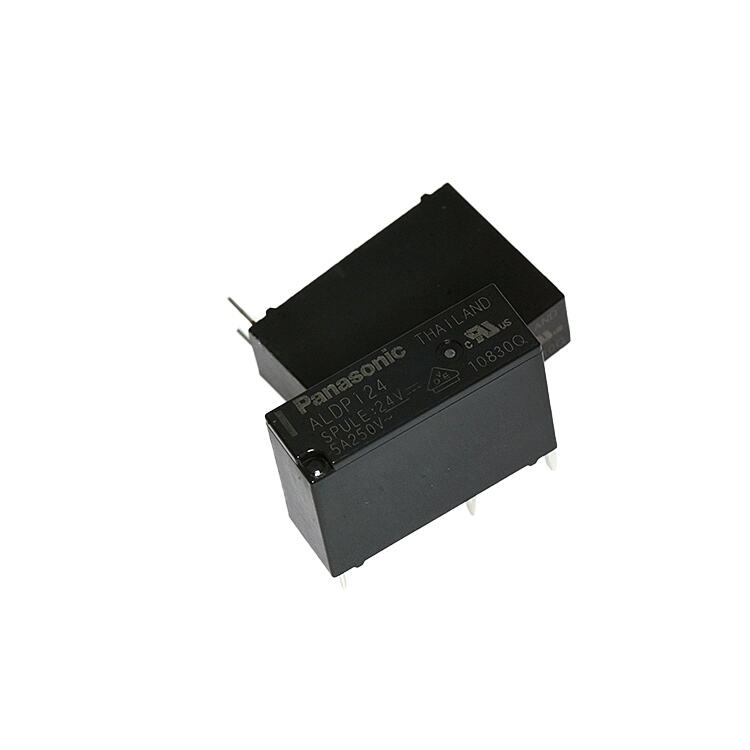
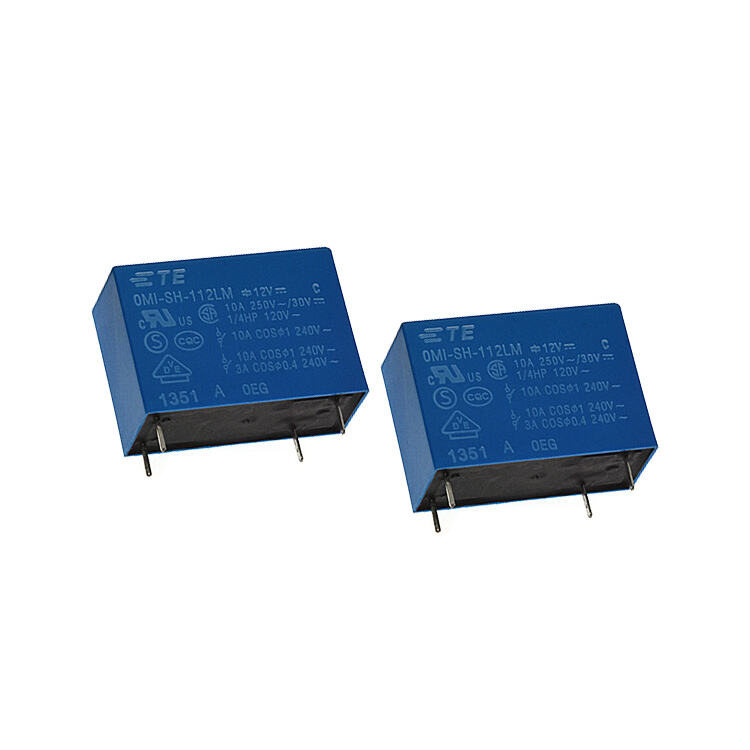
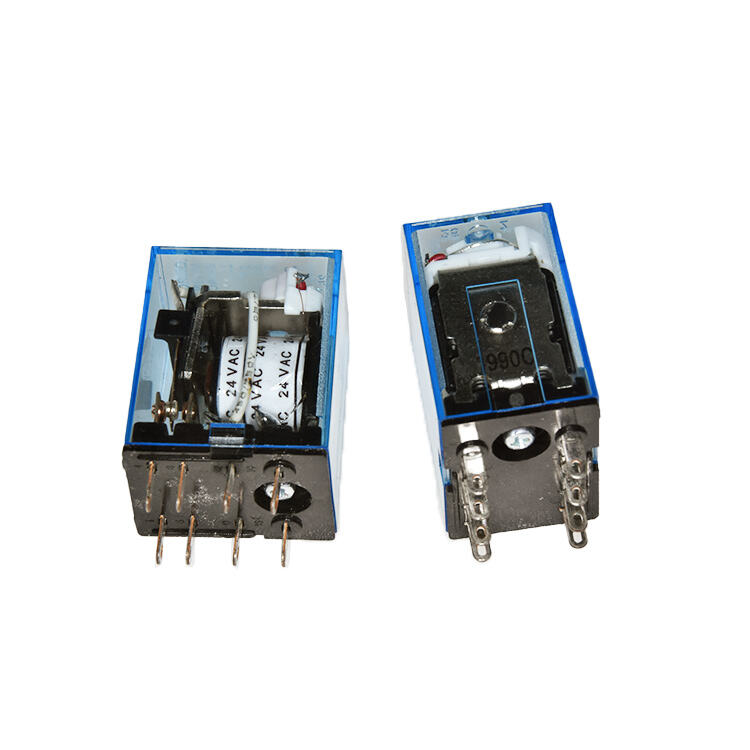
alternating relay
An alternating relay is a sophisticated control device designed to manage the sequential operation of multiple electrical loads or systems. This essential component functions by automatically switching between two or more electrical circuits in a predetermined sequence, ensuring equal distribution of operational time and wear across connected equipment. The relay operates through an internal timing mechanism that monitors and controls the alternation process, making it particularly valuable in applications where load sharing and system longevity are crucial. The technology incorporates advanced electromagnetic or solid-state switching mechanisms, allowing for precise control over the alternation sequence and timing intervals. These relays are engineered to handle various voltage levels and current requirements, making them versatile enough for both industrial and commercial applications. The device typically features status indicators, adjustable time delays, and multiple output configurations to accommodate different system requirements. In modern installations, alternating relays often include microprocessor-based controls that enable more sophisticated sequencing patterns and monitoring capabilities.