noninductive resistor
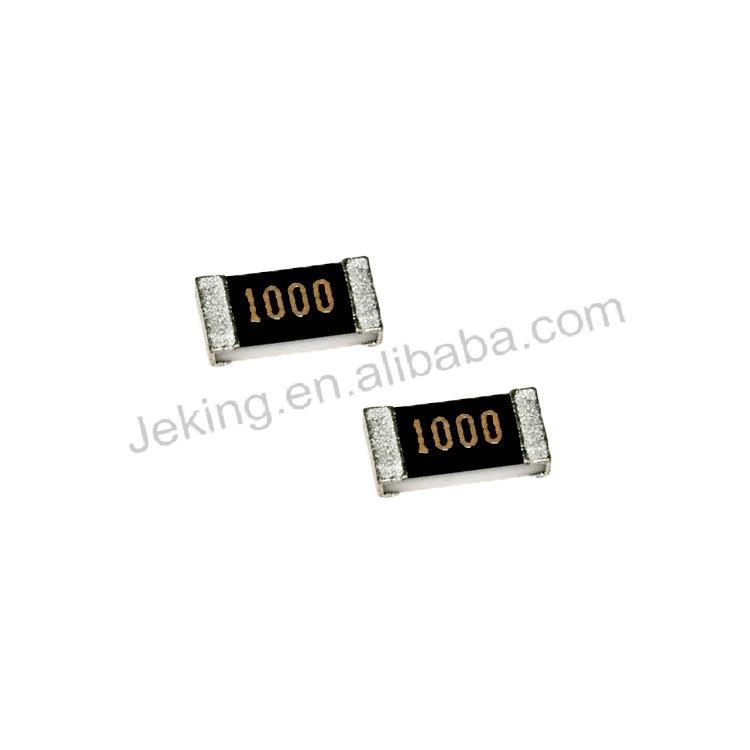
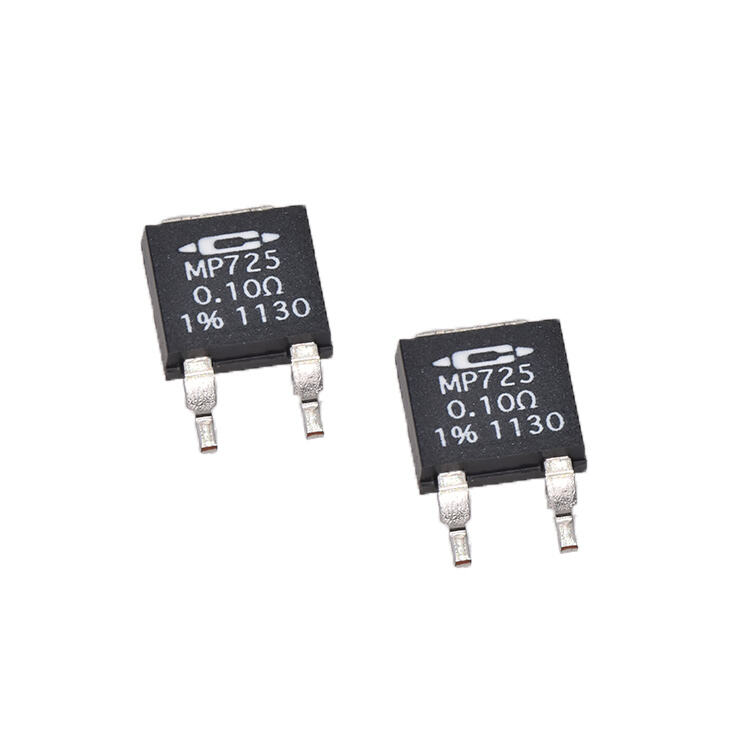
A noninductive resistor is a specialized electronic component designed to minimize or eliminate inductance while maintaining precise resistance values. Unlike conventional resistors, these components are engineered with a unique winding pattern that cancels out magnetic fields, effectively preventing the formation of inductance. The construction typically involves a bifilar winding technique, where the wire is doubled back on itself, creating opposing magnetic fields that neutralize each other. This design is crucial for applications requiring pure resistance without the complications of parasitic inductance, particularly in high-frequency circuits and precision measurement equipment. The technology behind noninductive resistors has evolved to include various materials and manufacturing methods, from wire-wound versions to flat film configurations. These resistors excel in applications where rapid current changes occur, as they don't create the voltage spikes typically associated with inductive components. Common applications include RF circuits, test equipment, power supplies, and high-frequency electronic systems where accurate resistance values are critical. The absence of inductance makes these resistors particularly valuable in scenarios requiring precise current measurement, fast response times, and stable performance across varying frequencies.