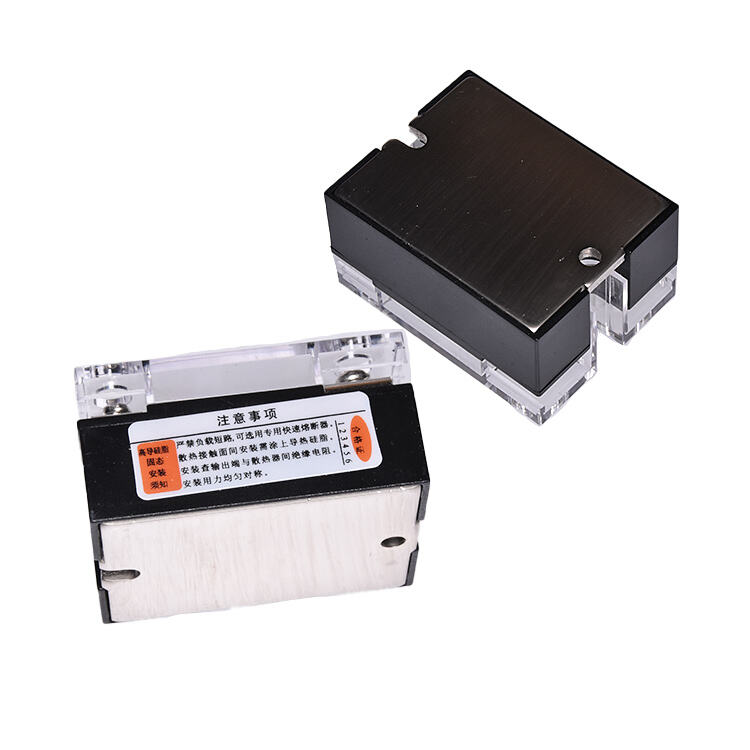
relay component
A relay component is a fundamental electromechanical device that serves as a controlled switch in electrical circuits. Operating on electromagnetic principles, it consists of an electromagnet, an armature, a spring, and electrical contacts. When current flows through the electromagnet's coil, it creates a magnetic field that attracts the armature, which then closes or opens the electrical contacts. This simple yet effective mechanism allows relays to control high-power circuits using low-power signals, making them essential in various applications. Relays provide electrical isolation between control and load circuits, protecting sensitive electronic components from high voltage or current surges. Modern relay components come in various types, including electromagnetic, solid-state, and hybrid relays, each designed for specific applications. They can handle different voltage levels, from a few volts in electronic devices to thousands of volts in industrial equipment. The versatility of relay components extends to their ability to switch multiple circuits simultaneously and their capacity to operate in diverse environmental conditions. With advanced features like built-in surge protection, status indicators, and programmable timing functions, contemporary relay components offer enhanced reliability and functionality for complex control systems.