
Selecting the right sensor technology for industrial applications requires careful consideration of multiple factors that directly impact operational efficiency and system performance. Modern manufacturing facilities rely heavily on precise sensing solutions to monitor environmental conditions, detect component positions, and ensure product quality throughout production processes. The choice between different sensor types can significantly affect both initial investment costs and long-term operational success. Understanding the specific requirements of your application environment helps narrow down the most suitable sensing technology from the wide array of available options.
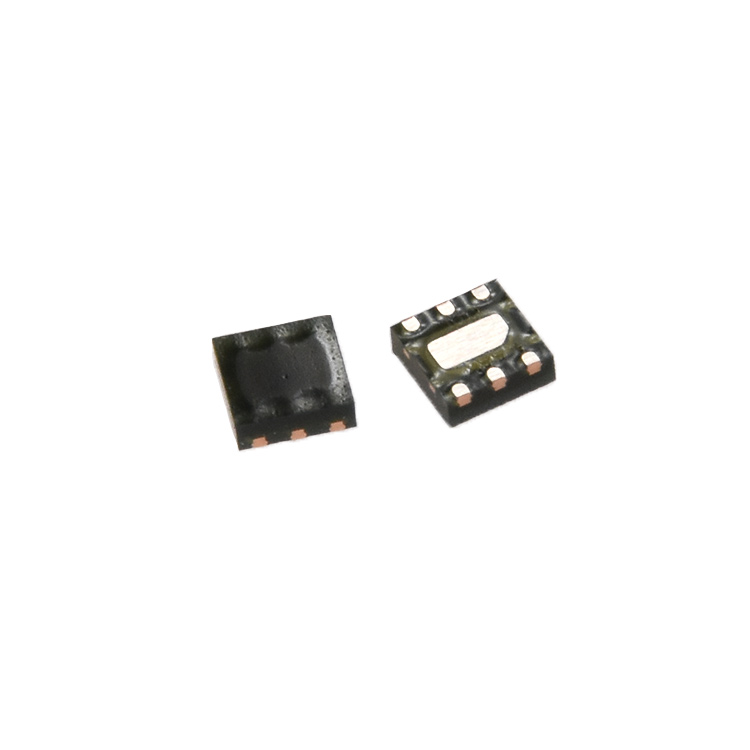
Industrial sensor selection involves evaluating environmental conditions, accuracy requirements, response times, and integration capabilities with existing control systems. Different sensing technologies excel in specific applications, making it essential to match sensor characteristics with operational demands. The decision-making process becomes more complex when considering factors such as temperature ranges, vibration levels, electromagnetic interference, and maintenance accessibility. Proper sensor selection directly influences system reliability, measurement precision, and overall production efficiency across various industrial sectors.
Proximity sensors detect the presence or absence of objects without physical contact, making them ideal for applications requiring non-contact detection. Inductive proximity sensors work effectively with metallic targets, providing reliable detection in harsh industrial environments with excellent immunity to contamination. Capacitive proximity sensors can detect both metallic and non-metallic materials, including liquids and bulk materials, offering versatility in diverse applications. These sensors typically provide digital output signals indicating target presence or absence, making integration with control systems straightforward and reliable.
Position sensing technologies include linear variable differential transformers, rotary encoders, and magnetostrictive sensors that provide precise position feedback for automated systems. Each technology offers specific advantages depending on stroke length, resolution requirements, and environmental conditions. LVDT sensors excel in applications requiring high accuracy and reliability in harsh environments, while optical encoders provide excellent resolution for rotary position measurement. Magnetostrictive sensors combine high accuracy with robust construction, making them suitable for hydraulic and pneumatic cylinder position feedback applications.
Pressure sensors utilize various sensing principles including piezoresistive, capacitive, and resonant frequency technologies to measure fluid pressure in industrial systems. Piezoresistive sensors offer good accuracy and temperature compensation, making them suitable for hydraulic and pneumatic applications. Capacitive pressure sensors provide excellent stability and low temperature drift, ideal for precision measurement applications. The selection depends on pressure range, accuracy requirements, fluid compatibility, and environmental conditions specific to each application.
Force sensors employ strain gauge, piezoelectric, or load cell technologies to measure applied forces in manufacturing and testing applications. Strain gauge-based force sensors offer excellent linearity and temperature stability for static and quasi-static measurements. Piezoelectric force sensors excel in dynamic force measurement applications with high frequency response capabilities. Load cells provide high accuracy force measurement for weighing applications and material testing systems, with various mounting configurations available for different installation requirements.
Operating temperature ranges significantly impact sensor performance and long-term reliability in industrial environments. Standard industrial sensors typically operate within -25°C to +85°C temperature ranges, while specialized high-temperature sensors can function at temperatures exceeding 200°C. Temperature coefficients affect measurement accuracy, requiring compensation techniques or temperature-stable sensor designs for precision applications. Thermal shock resistance becomes critical in applications involving rapid temperature changes or thermal cycling conditions.
Sensor housing materials and internal components must withstand thermal expansion and contraction without degrading performance or mechanical integrity. Optical sensors often incorporate temperature compensation algorithms to maintain accuracy across operating temperature ranges. Silicon-based sensor elements typically provide good temperature stability, while specialized materials may be required for extreme temperature applications. Proper thermal management through heat sinking or isolation helps maintain optimal sensor performance in high-temperature environments.
Industrial environments often expose sensors to dust, moisture, chemicals, and cleaning agents that can affect performance and longevity. IP protection ratings indicate the level of protection against solid particles and liquids, with IP67 and IP68 ratings common for industrial sensor applications. Proper sealing techniques and material selection ensure reliable operation in harsh environmental conditions. Stainless steel housings provide excellent corrosion resistance, while specialized coatings protect against specific chemical exposures.
Chemical compatibility considerations include resistance to cleaning solvents, process chemicals, and atmospheric contaminants present in the application environment. Fluoropolymer seals and gaskets offer superior chemical resistance compared to standard elastomeric materials. Optical sensors require careful consideration of window materials and coatings to maintain performance in chemically aggressive environments. Regular maintenance schedules help identify potential degradation before it affects sensor performance or system operation.
Measurement accuracy requirements depend on the specific application and quality standards that must be maintained throughout the production process. Sensor accuracy specifications typically include linearity, hysteresis, and repeatability parameters that affect overall measurement uncertainty. Resolution refers to the smallest detectable change in the measured parameter, which must be adequate for the required measurement precision. Higher accuracy sensors generally cost more but may be necessary for critical applications or quality control processes.
Calibration requirements and drift characteristics affect long-term measurement stability and maintenance costs. Some sensors incorporate self-calibration features or reference standards to maintain accuracy over time. Temperature and pressure compensation help maintain accuracy across varying operating conditions. Optical sensors often provide excellent accuracy and stability for light measurement applications with minimal drift over time.
Response time specifications determine how quickly sensors can detect and respond to changes in the measured parameter. Fast response times are critical for high-speed production lines and safety applications where rapid detection is essential. Bandwidth limitations may affect the ability to detect rapid changes or high-frequency variations in the measured parameter. Digital filtering and signal processing can improve measurement stability but may increase response time.
Dynamic range refers to the ratio between the maximum and minimum measurable values, which must encompass the full range of expected operating conditions. Some applications require sensors with wide dynamic ranges to accommodate varying process conditions without range switching. Settling time after step changes affects measurement accuracy in dynamic applications. Optical sensors typically offer fast response times and wide dynamic ranges, making them suitable for many industrial measurement applications.
Sensor output signals must be compatible with control system input requirements and signal conditioning equipment. Analog outputs include voltage and current signals such as 0-10V, 4-20mA, and 0-5V that provide continuous measurement information. Digital outputs include discrete on/off signals, pulse trains, and serial communication protocols for integration with programmable logic controllers and distributed control systems. Signal conditioning may be required to convert sensor outputs to formats compatible with control system inputs.
Communication protocols such as Modbus, Profibus, Ethernet, and wireless technologies enable integration with modern industrial networks. Smart sensors incorporate microprocessors that provide diagnostic information, configuration capabilities, and advanced signal processing functions. Optical sensors often feature multiple output options including analog and digital signals for flexible system integration. Proper grounding and shielding techniques help maintain signal integrity in electrically noisy industrial environments.
Mechanical mounting requirements include thread sizes, flange configurations, and orientation constraints that affect sensor installation and maintenance. Proper mounting ensures measurement accuracy and prevents mechanical stress that could affect sensor performance. Accessibility for calibration, maintenance, and replacement should be considered during system design. Cable routing and protection help prevent damage from mechanical impact, chemical exposure, and thermal stress.
Vibration and shock resistance specifications ensure reliable operation in industrial environments with mechanical disturbances. Optical sensors may require special consideration for alignment and protection of optical elements. Installation procedures must account for potential interference from other equipment, electromagnetic fields, and environmental factors. Proper documentation and labeling facilitate troubleshooting and maintenance activities throughout the sensor lifecycle.
Initial sensor costs include the device price, installation expenses, and any required signal conditioning or interface equipment. Higher-performance sensors typically command premium prices but may provide better long-term value through improved accuracy and reliability. Volume discounts and standardization on specific sensor types can reduce overall procurement costs. Compatibility with existing systems may eliminate the need for additional interface equipment or system modifications.
Total cost of ownership includes maintenance expenses, calibration requirements, and replacement costs over the sensor operational lifetime. Preventive maintenance schedules help identify potential issues before they cause system downtime or measurement errors. Optical sensors generally require minimal maintenance compared to mechanical sensor types, potentially reducing long-term ownership costs. Sensor failure modes and diagnostic capabilities affect troubleshooting time and replacement part availability.
Sensor reliability specifications include mean time between failures, expected operational lifetime, and failure mode analysis. Higher reliability sensors reduce unplanned downtime and maintenance costs but may require higher initial investment. Environmental stress testing helps validate sensor performance under actual operating conditions. Redundant sensor installations may be justified for critical applications where measurement failure could cause significant production losses.
Maintenance requirements vary significantly between different sensor technologies and application environments. Some sensors require periodic recalibration to maintain accuracy specifications, while others provide long-term stability with minimal intervention. Optical sensors typically offer excellent stability and minimal maintenance requirements compared to mechanical alternatives. Spare parts availability and technical support quality affect overall system reliability and maintenance costs throughout the sensor operational lifetime.
Manufacturing environments require sensors capable of operating reliably in the presence of dust, vibration, temperature variations, and electromagnetic interference. Part detection applications benefit from fast response times and reliable switching characteristics. Quality control applications demand high accuracy and repeatability for consistent measurement results. Optical sensors excel in non-contact measurement applications where physical contact could damage delicate components or affect measurement accuracy.
Assembly line applications often require compact sensors with standardized mounting configurations for easy integration into existing equipment. Multiple sensing zones or arrays may be necessary for complex part inspection or positioning applications. Communication capabilities enable integration with manufacturing execution systems for data collection and process monitoring. Robotic applications benefit from lightweight sensors with high accuracy and fast response times for precise positioning and manipulation tasks.
Process control applications require sensors with excellent long-term stability and minimal drift characteristics to maintain consistent product quality. Hazardous area applications may require intrinsically safe or explosion-proof sensor designs for compliance with safety regulations. Continuous monitoring applications benefit from sensors with diagnostic capabilities that provide early warning of potential failures or calibration drift. Optical sensors provide non-contact measurement capabilities ideal for monitoring processes without affecting product flow or quality.
Chemical processing environments require sensors with superior chemical resistance and appropriate certifications for specific process conditions. Food and pharmaceutical applications demand sensors that meet sanitary design requirements and can withstand frequent cleaning cycles. Temperature and pressure compensation help maintain measurement accuracy across varying process conditions. Remote monitoring capabilities enable centralized data collection and analysis for large-scale process optimization and quality assurance programs.
When selecting optical sensors for industrial use, consider the operating wavelength, detection range, ambient light immunity, and environmental protection rating. The sensing principle, whether photoelectric, laser-based, or ambient light detection, affects performance characteristics and application suitability. Response time requirements, output signal types, and mounting configurations must align with system integration needs. Environmental factors such as dust, moisture, temperature extremes, and chemical exposure influence sensor housing materials and protection requirements.
Required accuracy depends on process tolerances, quality requirements, and measurement uncertainty budgets for your specific application. Resolution should be at least 10 times finer than the required measurement precision to ensure adequate system performance. Consider environmental factors, temperature effects, and long-term drift when establishing accuracy requirements. Calibration frequency and maintenance costs should be balanced against accuracy requirements to optimize total cost of ownership while meeting application needs.
Analog sensor outputs provide continuous measurement information but may be susceptible to noise and signal degradation over long cable runs. Digital outputs offer better noise immunity and can include diagnostic information, configuration parameters, and advanced features. Communication protocols enable network integration and remote monitoring capabilities with digital sensors. The choice depends on control system requirements, cable length limitations, and the need for advanced sensor features or diagnostics.
Follow manufacturer installation guidelines for mounting torque, orientation requirements, and environmental considerations to ensure optimal performance. Implement preventive maintenance schedules including visual inspections, calibration verification, and cleaning procedures appropriate for your operating environment. Document installation parameters, calibration records, and maintenance activities to track sensor performance over time. Consider accessibility requirements for future maintenance when planning sensor locations and mounting arrangements.