
Modern electronic systems demand precise power management solutions that balance efficiency, reliability, and performance. High-efficiency linear ICs have emerged as critical components in applications where clean power delivery and low noise characteristics are paramount. These specialized integrated circuits offer superior voltage regulation capabilities while maintaining excellent thermal management properties, making them indispensable across numerous industries and applications.
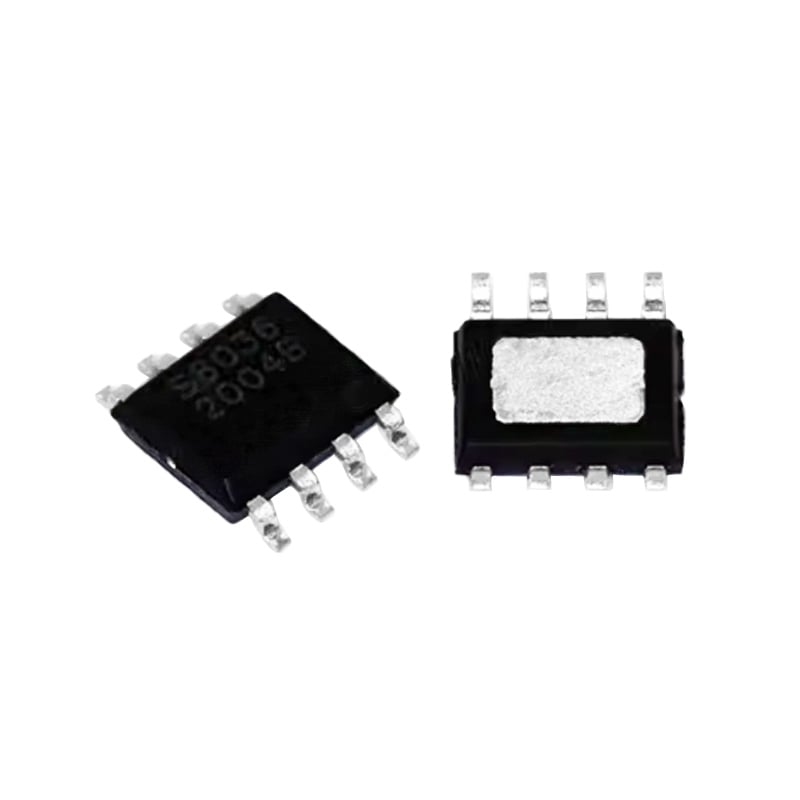
The evolution of power management technology has significantly advanced the capabilities of linear regulators, transforming them from basic voltage reduction circuits into sophisticated power management solutions. Unlike their switching counterparts, high-efficiency linear ICs excel in applications requiring ultra-low noise, fast transient response, and precise voltage regulation without the electromagnetic interference typically associated with switching regulators.
Telecommunications base stations represent one of the most demanding environments for high-efficiency linear ICs. These critical infrastructure components require continuous operation with minimal downtime, making power supply reliability absolutely essential. Linear ICs in base stations manage power delivery to sensitive RF circuits, digital signal processors, and control systems that cannot tolerate voltage ripple or electromagnetic interference.
The stringent requirements for phase noise performance in telecommunications equipment make high-efficiency linear ICs particularly valuable. Traditional switching regulators can introduce unwanted harmonics and noise that interfere with signal quality, while linear regulators provide clean, stable power that preserves signal integrity across multiple frequency bands.
High-speed networking equipment, including routers, switches, and optical transceivers, benefit significantly from the stable power delivery characteristics of high-efficiency linear ICs. These devices often operate at multiple voltage levels simultaneously, requiring precise regulation to maintain proper functionality of high-speed digital circuits and sensitive analog components.
Network equipment designers frequently implement high-efficiency linear ICs for powering clock generation circuits, phase-locked loops, and high-speed interface circuits where timing accuracy is critical. The low dropout voltage characteristics of modern linear ICs enable efficient power conversion even when input and output voltages are closely matched, maximizing overall system efficiency.
Modern vehicles incorporate numerous advanced driver assistance systems that rely on high-efficiency linear ICs for reliable operation. These systems, including radar sensors, camera modules, and lidar units, require exceptionally stable power supplies to ensure accurate detection and processing of environmental data. The automotive environment presents unique challenges including wide temperature ranges, vibration, and electromagnetic interference from various vehicle systems.
High-efficiency linear ICs designed for automotive applications typically feature enhanced thermal protection, wide input voltage ranges, and robust protection mechanisms. These characteristics ensure consistent performance across varying operating conditions while meeting stringent automotive qualification standards for safety-critical applications.
Vehicle infotainment systems incorporate sophisticated processors, memory modules, and wireless communication circuits that benefit from the clean power delivery provided by high-efficiency linear ICs. These systems often integrate multiple radio frequency circuits for cellular, WiFi, and Bluetooth connectivity, all requiring low-noise power supplies to maintain optimal performance.
The integration of high-efficiency linear ICs in automotive infotainment systems helps minimize audible noise in audio circuits while ensuring stable operation of digital processing units. Advanced features such as current limiting and thermal shutdown protection enhance system reliability and prevent damage during fault conditions.
Medical diagnostic equipment, particularly portable devices, places exceptional demands on power management circuits. High-efficiency linear ICs serve critical roles in powering analog front-end circuits, precision measurement systems, and sensitive sensor interfaces that require ultra-low noise operation. Battery-powered medical devices benefit from the improved efficiency of modern linear regulators, extending operational time between charges.
Precision medical instruments often incorporate multiple high-efficiency linear ICs to create isolated power domains for different circuit functions. This approach minimizes crosstalk between analog and digital circuits while maintaining the exceptional regulation accuracy required for reliable medical measurements.
Implantable medical devices represent perhaps the most demanding application for high-efficiency linear ICs, where reliability and longevity are paramount. These devices must operate continuously for years without maintenance, requiring power management circuits with exceptional stability and minimal power consumption. High-efficiency linear ICs in implantable devices typically feature ultra-low quiescent current consumption and robust protection mechanisms.
The biocompatible packaging requirements and space constraints of implantable devices make high-efficiency linear ICs particularly attractive due to their simple external component requirements and predictable thermal characteristics. These factors contribute to more reliable long-term operation in the challenging biological environment.
Industrial process control systems rely heavily on high-efficiency linear ICs to power sensitive measurement and control circuits. These applications often involve precise analog signal conditioning, data acquisition systems, and control loops that cannot tolerate power supply noise or instability. The harsh industrial environment, including temperature extremes and electrical noise, requires robust power management solutions.
High-efficiency linear ICs in industrial applications typically feature wide operating temperature ranges, enhanced protection circuits, and excellent load regulation characteristics. These features ensure consistent performance across varying industrial conditions while maintaining the precision required for accurate process control.
Modern factory automation systems incorporate numerous sensors, actuators, and control circuits that benefit from the stable power delivery characteristics of high-efficiency linear ICs. Robotic systems, conveyor controls, and automated manufacturing equipment require precise timing and control signals that depend on clean, stable power supplies.
The integration of high-efficiency linear ICs in factory automation equipment helps ensure reliable operation while minimizing electromagnetic interference that could affect nearby sensitive equipment. Advanced protection features protect against industrial power disturbances and help maintain continuous operation in demanding manufacturing environments.
Professional and consumer audio equipment represents a traditional stronghold for high-efficiency linear ICs due to their exceptional noise performance characteristics. Audio applications require extremely low-noise power supplies to maintain high signal-to-noise ratios and prevent audible interference in sensitive audio circuits.
High-end audio systems often employ multiple high-efficiency linear ICs to create separate power domains for different audio circuit functions. This approach minimizes crosstalk between channels while providing the clean power necessary for audiophile-quality sound reproduction.
Battery-powered consumer devices increasingly utilize high-efficiency linear ICs to maximize battery life while maintaining compact form factors. These applications benefit from the reduced external component count and simplified thermal management characteristics of linear regulators compared to switching alternatives.
Modern portable devices often integrate multiple high-efficiency linear ICs to power different subsystems at optimal voltage levels. This distributed power architecture approach enables fine-tuned power management while maintaining the low noise characteristics essential for sensitive analog circuits.
Satellite communication systems operate in extremely challenging environments that demand exceptional reliability from all components, including power management circuits. High-efficiency linear ICs in satellite applications must withstand radiation exposure, extreme temperature variations, and provide continuous operation for many years without maintenance.
The space environment requires high-efficiency linear ICs with enhanced radiation tolerance and robust protection mechanisms. These specialized devices often incorporate redundant protection circuits and advanced packaging technologies to ensure reliable operation throughout the mission duration.
Military communication systems require power management solutions that provide reliable operation under extreme conditions while maintaining security and performance requirements. High-efficiency linear ICs serve critical roles in powering encryption circuits, secure communication processors, and sensitive RF components that cannot tolerate power supply noise.
Defense applications often specify high-efficiency linear ICs with extended temperature ranges, enhanced EMI/EMC performance, and ruggedized packaging to ensure reliable operation in battlefield conditions. These requirements drive the development of specialized linear regulators designed specifically for military applications.
High-efficiency linear ICs provide inherently cleaner power output compared to switching regulators because they do not generate the high-frequency switching noise that can interfere with sensitive analog circuits. Linear regulators operate by continuously adjusting their internal resistance to maintain constant output voltage, eliminating the electromagnetic interference and ripple voltage associated with switching power supplies. This makes them ideal for applications requiring ultra-low noise characteristics such as precision measurement equipment, high-performance audio systems, and sensitive RF circuits.
Modern high-efficiency linear ICs incorporate advanced semiconductor technologies and sophisticated thermal management features that significantly improve their thermal performance. These devices often feature lower dropout voltages, reducing power dissipation, and incorporate thermal shutdown protection and current limiting circuits that prevent damage during fault conditions. Advanced packaging technologies and improved die designs also contribute to better heat dissipation, enabling reliable operation at higher power levels and ambient temperatures.
When selecting high-efficiency linear ICs for battery-powered applications, key factors include quiescent current consumption, dropout voltage, load regulation, and thermal characteristics. Ultra-low quiescent current is essential for maximizing battery life, while low dropout voltage ensures efficient operation as battery voltage decreases. Load regulation accuracy affects system performance, and thermal characteristics determine safe operating limits. Additional considerations include enable/disable functionality for power sequencing, overcurrent protection, and package size constraints typical in portable devices.
While high-efficiency linear ICs offer significant advantages in noise-sensitive applications, they cannot replace switching regulators in all scenarios. Linear regulators are most suitable for applications with relatively small input-to-output voltage differentials and moderate current requirements. Switching regulators remain superior for applications requiring high efficiency across wide voltage ranges, high current output, or step-up voltage conversion. The choice between linear and switching regulators depends on specific application requirements including efficiency targets, noise tolerance, size constraints, and cost considerations.