
As digital systems continue to expand into portable, remote, and always-on environments, energy efficiency has become a defining design requirement. From compact consumer electronics to large-scale industrial monitoring networks, the demand for long battery life and reduced power consumption is higher than ever. Low-Power Microcontrollers play a critical role in meeting these demands by delivering essential computing capabilities while minimizing energy usage. By optimizing power consumption at both hardware and software levels, Low-Power Microcontrollers enable a wide range of applications that would otherwise be impractical due to energy constraints.
Low-Power Microcontrollers are specifically designed with architectures that reduce active and standby power usage. Features such as low-voltage operation, efficient clock management, and optimized instruction execution help minimize energy draw. These characteristics allow Low-Power Microcontrollers to operate for extended periods, even when powered by small batteries or energy-harvesting sources.
One of the defining traits of Low-Power Microcontrollers is their ability to enter multiple sleep or deep standby modes. These modes significantly reduce power consumption when processing is not required. By waking only when needed, Low-Power Microcontrollers support applications that rely on intermittent data processing or event-driven operation.
Wearable technology relies heavily on Low-Power Microcontrollers to maintain long battery life while delivering responsive performance. Devices such as fitness trackers, smartwatches, and health monitoring accessories require continuous sensing and occasional data processing. Low-Power Microcontrollers enable these devices to operate for days or weeks without frequent recharging.
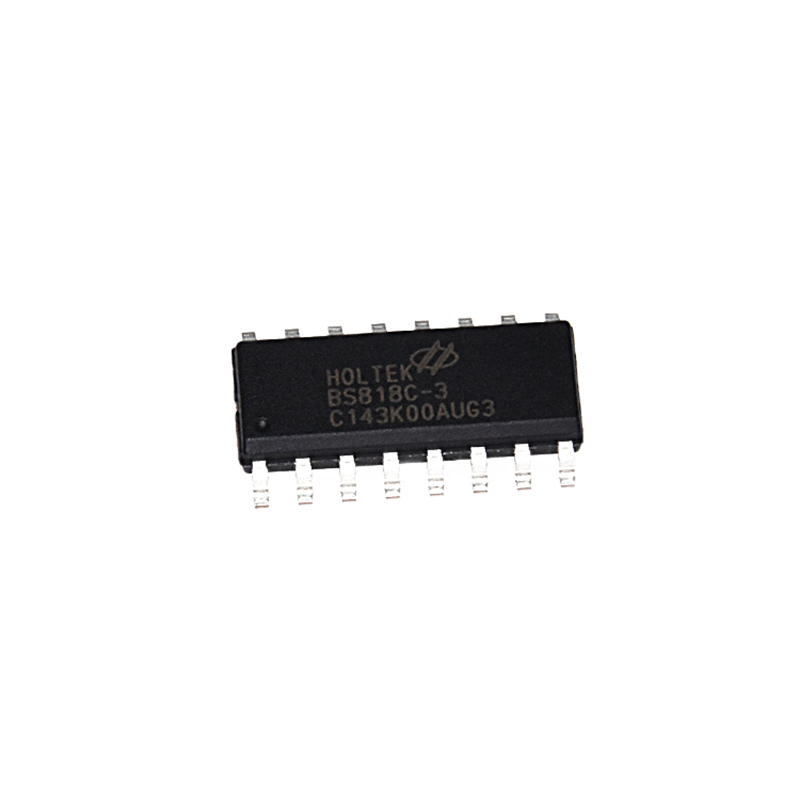
Consumer electronics accessories such as remote controls, wireless keyboards, and portable input devices depend on Low-Power Microcontrollers to remain operational for extended periods. Efficient power usage ensures reliable performance while minimizing battery replacement frequency, enhancing user convenience.
Low-Power Microcontrollers are a foundational component of smart home ecosystems. Devices such as smart sensors, thermostats, lighting controls, and security modules must remain active or on standby around the clock. Low-Power Microcontrollers allow these systems to maintain connectivity and responsiveness without excessive energy consumption.
Distributed sensor networks often operate in locations where power access is limited or unavailable. Low-Power Microcontrollers enable wireless sensor nodes to collect, process, and transmit data efficiently. Their low energy requirements make long-term deployment feasible, even in large-scale or remote installations.
Industrial equipment monitoring relies on continuous data collection to detect anomalies and prevent failures. Low-Power Microcontrollers support vibration, temperature, and pressure monitoring systems by enabling long-term operation with minimal maintenance. Reduced power consumption allows sensors to be installed in hard-to-reach locations.
Predictive maintenance systems depend on frequent data sampling and analysis. Low-Power Microcontrollers process sensor data locally before transmitting relevant insights. This localized processing reduces communication energy costs and supports efficient maintenance strategies.
Healthcare devices such as glucose monitors, pulse oximeters, and portable diagnostic tools require reliable performance with extended battery life. Low-Power Microcontrollers ensure accurate data processing while preserving energy, which is essential for patient safety and device portability.
Continuous health monitoring applications rely on Low-Power Microcontrollers to track vital signs over long periods. These microcontrollers balance processing efficiency with minimal power consumption, enabling non-intrusive and long-lasting healthcare solutions.
Modern vehicles incorporate numerous electronic control units that monitor system performance even when the engine is off. Low-Power Microcontrollers allow these modules to operate in low-energy standby modes while remaining ready to respond to events such as door access or system alerts.
Energy efficiency is especially critical in electric and hybrid vehicles. Low-Power Microcontrollers support battery management, sensor monitoring, and auxiliary systems without significantly impacting overall energy reserves.
Environmental monitoring stations often operate in remote or harsh conditions. Low-Power Microcontrollers enable long-term data logging and wireless transmission using limited energy resources. This capability supports climate monitoring, pollution tracking, and ecological research.
Agricultural sensors for soil moisture, weather conditions, and crop health depend on Low-Power Microcontrollers to function reliably in the field. Efficient energy usage supports seasonal deployment without frequent battery replacement.
Smart buildings rely on distributed sensors and control units to manage lighting, climate, and energy usage. Low-Power Microcontrollers support continuous operation while minimizing energy overhead. This efficiency contributes to overall building sustainability goals.
Bridges, tunnels, and public infrastructure increasingly use embedded sensors to monitor structural integrity. Low-Power Microcontrollers enable long-term monitoring with minimal maintenance, ensuring reliable data collection over extended periods.
Low-Power Microcontrollers significantly extend the operational lifetime of battery-powered systems. This advantage reduces maintenance costs and improves system reliability, especially in large-scale deployments.
Lower power consumption results in less heat generation. Low-Power Microcontrollers contribute to improved system stability and longer component lifespan, which is particularly important in compact or sealed devices.
Low-Power Microcontrollers increasingly support edge processing capabilities. By performing data analysis locally, they reduce the need for continuous data transmission, saving energy and improving response times.
As sustainability becomes a global priority, Low-Power Microcontrollers align with energy-efficient design principles. Their use supports reduced environmental impact and responsible resource consumption across industries.
Low-Power Microcontrollers are optimized for minimal energy consumption through efficient architectures, low-voltage operation, and advanced power management modes.
Low-Power Microcontrollers are ideal for moderate processing tasks and event-driven applications. They balance performance and energy efficiency rather than maximizing raw computing power.
Low-Power Microcontrollers enable long battery life, support wireless communication, and allow scalable deployment of IoT devices in power-constrained environments.
Yes, by extending battery life, reducing maintenance needs, and improving reliability, Low-Power Microcontrollers help lower total cost of ownership.