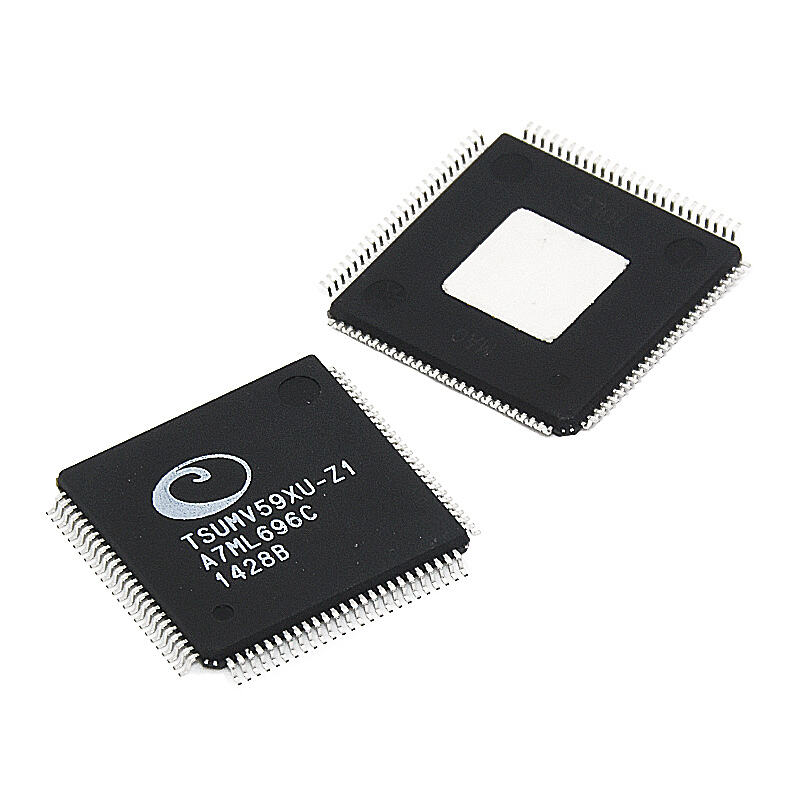
bulk transistor
A bulk transistor represents a fundamental semiconductor device manufactured directly within the substrate material, typically silicon. This traditional transistor structure forms the backbone of modern integrated circuits, featuring a simple yet effective design where the entire device is built into the bulk of the semiconductor material. With its three essential terminals, source, gate, and drain, the bulk transistor controls electrical current flow through the manipulation of voltage applied to the gate terminal. The device operates by creating a channel between the source and drain regions when sufficient gate voltage is applied, enabling precise control of current flow. This technology has been instrumental in the development of digital electronics, offering reliable performance in various applications ranging from basic switching operations to complex signal amplification. The bulk transistor's architecture allows for straightforward fabrication processes, making it cost-effective for mass production while maintaining consistent performance characteristics. Its robust nature and predictable behavior have made it particularly valuable in analog circuits, power applications, and situations requiring high voltage tolerance. The technology continues to evolve, with manufacturers implementing various optimizations to enhance performance parameters such as switching speed, power efficiency, and thermal management. Understanding the bulk transistor's operation is crucial for electronics engineers and designers working on integrated circuit development, as it forms the foundation for more advanced semiconductor technologies.