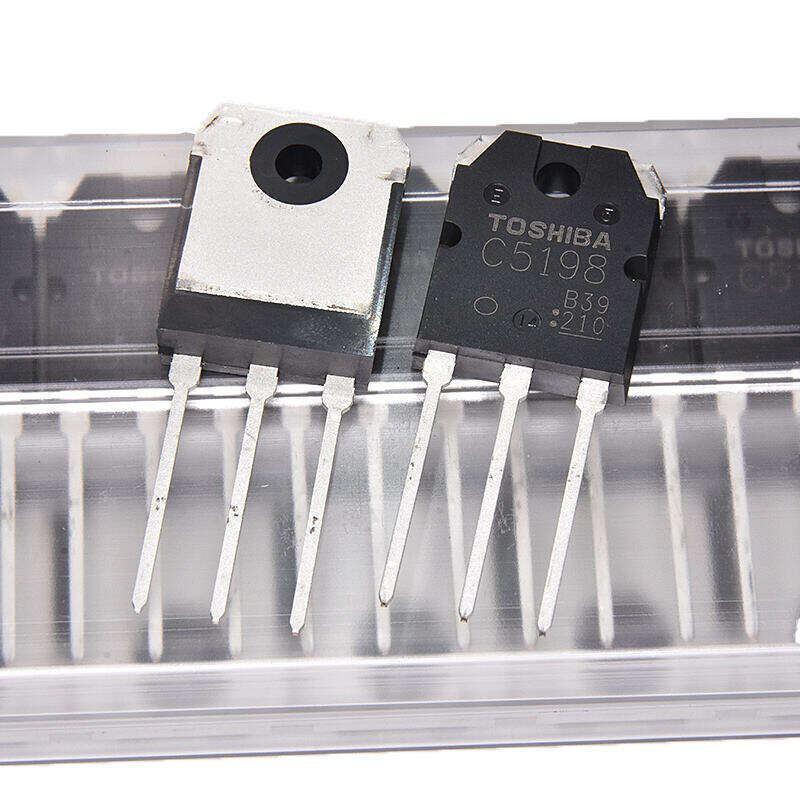
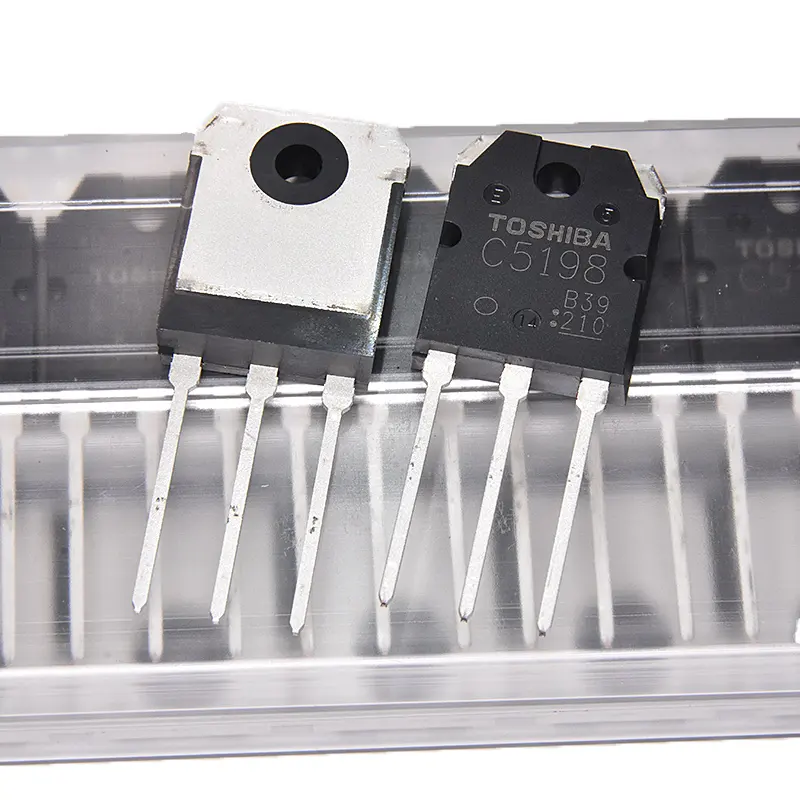
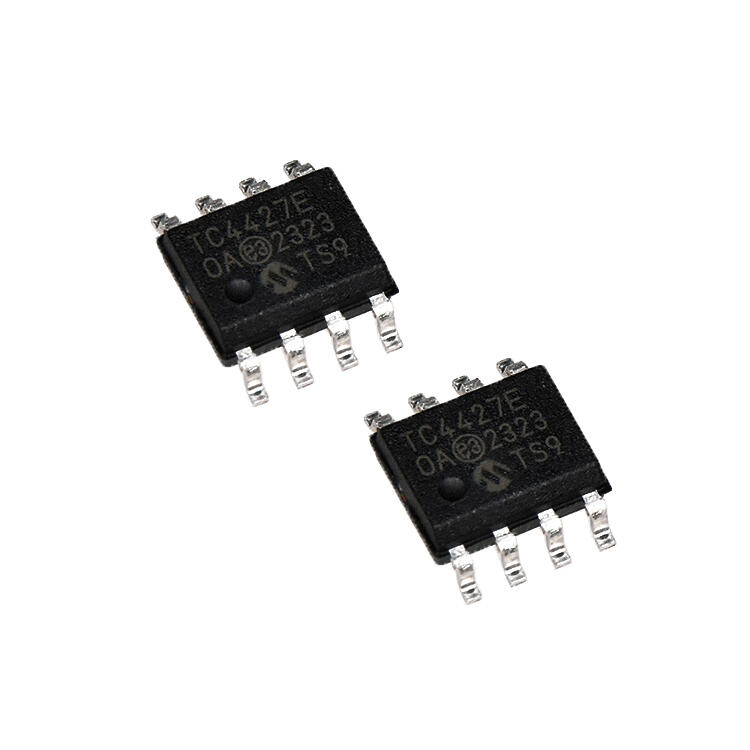
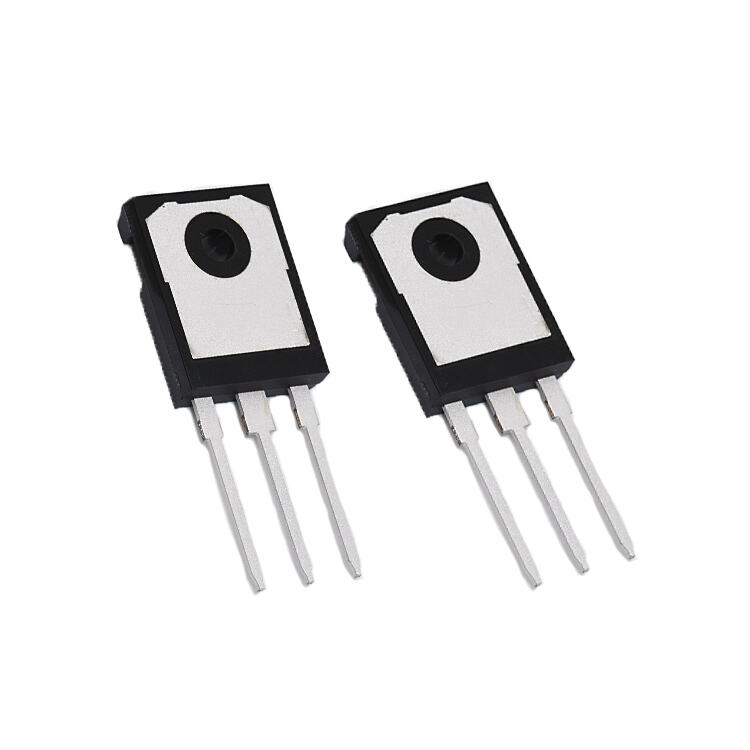
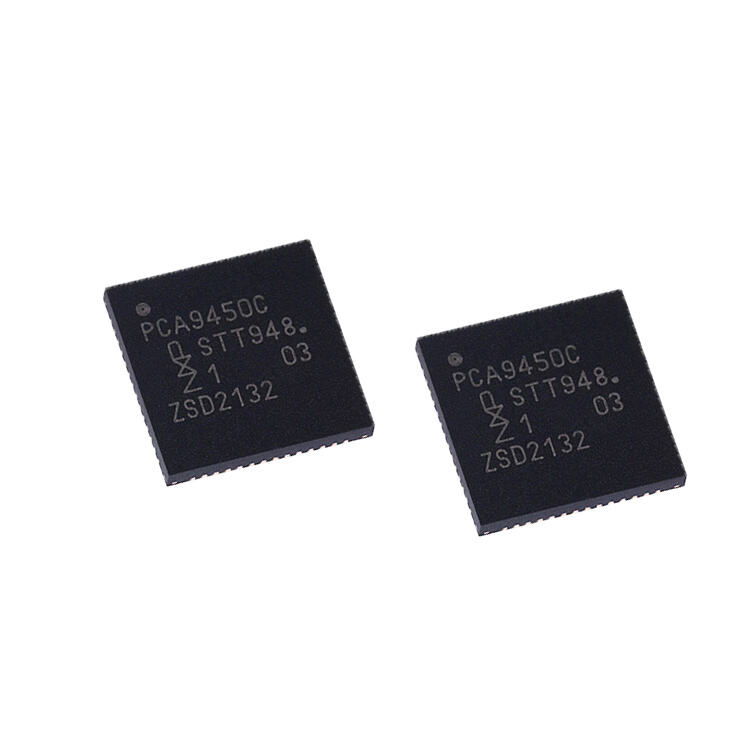
transistor component
A transistor is a fundamental semiconductor device that serves as the building block of modern electronics. This remarkable component functions as both a switch and an amplifier, capable of controlling electrical signals with unprecedented precision. Transistors operate by utilizing three layers of semiconductor materials, typically made from silicon, which form two P-N junctions. These layers, known as the emitter, base, and collector, work in concert to either amplify current or switch between on and off states. The device's ability to regulate current flow through a small control voltage makes it invaluable in countless applications. In digital circuits, transistors serve as microscopic switches, forming the basis of logic gates and memory cells in computers. In analog applications, they excel at amplifying weak signals, making them essential in audio equipment, sensors, and communication devices. The miniaturization of transistors has been a driving force behind Moore's Law, leading to increasingly powerful and energy-efficient electronic devices. Modern integrated circuits can contain billions of transistors, each measuring only nanometers in size, enabling the development of sophisticated smartphones, laptops, and other electronic devices that we rely on daily. Their reliability, efficiency, and scalability have revolutionized the electronics industry, making them indispensable in everything from consumer electronics to industrial automation systems.