resistor for automotive electronics
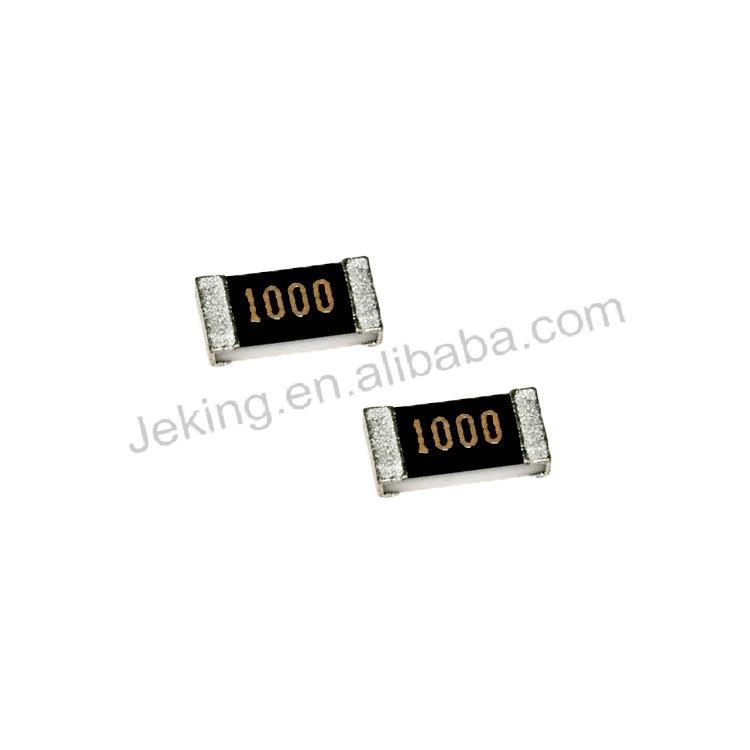
Resistors for automotive electronics are fundamental components that play a crucial role in controlling electrical current and voltage within vehicle electrical systems. These specialized components are engineered to withstand the harsh automotive environment, including extreme temperature variations, vibrations, and electromagnetic interference. The primary function of automotive resistors is to regulate current flow, provide voltage division, and protect sensitive electronic components from damage. They are manufactured using advanced materials and precision engineering techniques to ensure reliable performance in critical automotive applications such as engine control units, transmission systems, and safety features. Modern automotive resistors incorporate various technologies, including thick film, thin film, and wirewound constructions, each optimized for specific applications. These components are designed to maintain stable resistance values across wide temperature ranges, typically from -40°C to +155°C, making them suitable for both under-hood and passenger compartment installations. The resistors undergo rigorous testing and certification processes to meet automotive industry standards, including AEC-Q200 qualification, ensuring their reliability in safety-critical systems. Their applications extend to various automotive systems, including LED lighting circuits, sensor networks, battery management systems, and advanced driver assistance systems (ADAS).