transistor device
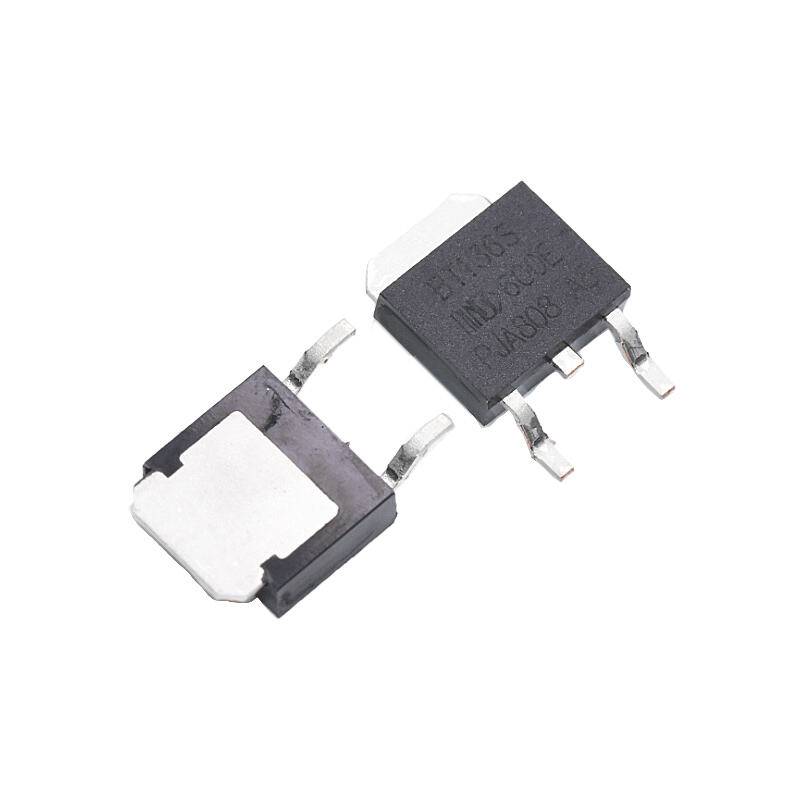
A transistor is a fundamental semiconductor device that revolutionized modern electronics, serving as the building block of digital technology. This remarkable component functions as both an amplifier and a switch, capable of controlling electrical signals with precision and efficiency. Transistors consist of three layers of semiconductor materials, typically made from silicon, forming two p-n junctions that work in harmony. These devices can amplify weak electrical signals, making them stronger and more useful for various applications, or act as rapid switches in digital circuits. The versatility of transistors makes them essential in countless electronic devices, from simple radios to complex smartphones and computers. Their ability to process and control electrical signals with minimal power consumption has enabled the development of increasingly compact and energy-efficient electronic devices. Modern transistors have evolved significantly since their invention, with current versions measuring just nanometers in size while delivering exceptional performance. They operate reliably across a wide range of temperatures and conditions, making them suitable for diverse applications in consumer electronics, industrial equipment, and telecommunications systems. The development of various transistor types, including bipolar junction transistors (BJTs) and field-effect transistors (FETs), has further expanded their utility in different scenarios.