
Electronic components face numerous challenges during extended operational periods, and resistors are no exception to this reality. When designing circuits for long-term applications, engineers must carefully consider how environmental factors, electrical stress, and aging processes affect component reliability. Understanding the fundamental principles of resistor degradation helps in selecting appropriate components and implementing effective maintenance strategies that ensure consistent performance over years of operation.
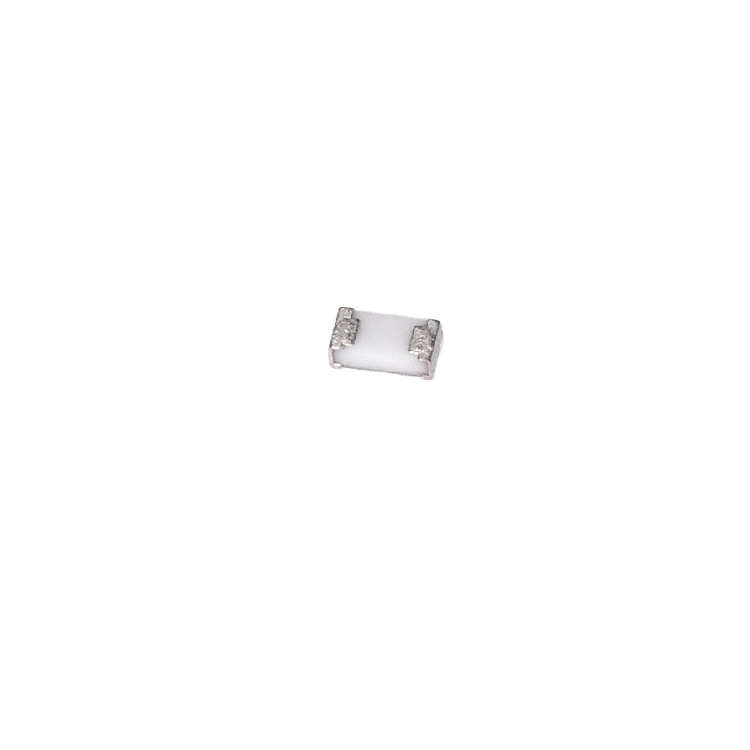
The performance characteristics of resistive components naturally evolve throughout their operational lifetime due to various physical and chemical processes. Temperature cycling, moisture exposure, mechanical stress, and electrical loading all contribute to gradual changes in resistance values and electrical properties. These changes can significantly impact circuit functionality, particularly in precision applications where tight tolerance requirements must be maintained over extended periods.
Modern electronic systems increasingly demand higher reliability standards as they become integrated into critical infrastructure and safety-critical applications. From automotive electronics operating in harsh environmental conditions to industrial control systems requiring decades of stable operation, the ability to predict and maintain resistor performance becomes crucial for system success. Proper maintenance strategies can extend component life significantly while reducing unexpected failures and costly downtime.
Resistor aging primarily occurs through several well-documented physical mechanisms that affect the resistive element and its supporting structure. Thermal cycling causes expansion and contraction of materials with different thermal coefficients, leading to mechanical stress at interfaces between the resistive film and substrate. This stress can create microcracks in the resistive layer, gradually increasing resistance values over time.
Diffusion processes also play a significant role in long-term degradation, particularly in film-type resistors where atoms from the substrate can migrate into the resistive layer. This atomic migration alters the electrical properties of the resistive material, typically causing drift in resistance values. The rate of diffusion increases exponentially with temperature, making thermal management critical for maintaining stability.
Oxidation represents another major degradation mechanism, especially for resistors with exposed metallic elements. Oxygen infiltration through protective coatings or at interface boundaries can form oxide layers that alter current flow patterns. This oxidation process is accelerated by humidity and temperature, making environmental control an essential aspect of resistor maintenance.
Electrical stress manifests in multiple ways that can accelerate resistor aging and cause premature failure. Current density effects become particularly pronounced when resistors operate at or near their maximum power ratings, as localized heating creates hot spots that promote accelerated aging. These thermal gradients within the resistive element can lead to non-uniform degradation patterns and eventual failure.
Electromigration occurs when high current densities cause atomic-level movement within the resistive material, gradually changing its microstructure and electrical properties. This phenomenon is most significant in thin film resistors where the conducting paths are relatively narrow and current densities can be substantial.
Voltage stress contributes to degradation through field-induced migration and potential barrier breakdown at grain boundaries within the resistive material. High electric fields can cause ionic movement and create localized defects that alter resistance characteristics. Understanding these stress mechanisms enables engineers to implement appropriate derating strategies that significantly extend component life.
Temperature control represents the most critical environmental factor for maintaining resistor performance over extended periods. Implementing effective thermal management strategies begins with proper heat dissipation design, including adequate spacing between components, appropriate PCB trace sizing, and strategic placement of thermal vias. These design considerations help distribute heat more evenly and prevent localized temperature spikes that accelerate aging.
Active cooling systems become necessary in high-power applications where passive heat dissipation proves insufficient. Forced air cooling, liquid cooling, or thermoelectric cooling systems can maintain component temperatures within acceptable ranges, dramatically extending operational life. The investment in cooling infrastructure typically pays dividends through reduced maintenance costs and improved system reliability.
Thermal cycling mitigation involves designing circuits and enclosures that minimize temperature variations during operation. This includes using thermal mass to buffer temperature changes, implementing gradual startup and shutdown procedures, and selecting components with matched thermal expansion coefficients to reduce stress at interfaces.
Moisture ingress represents a significant threat to resistor longevity, as water molecules can penetrate protective coatings and catalyze various degradation reactions. Implementing effective moisture barriers involves multiple layers of protection, starting with proper component selection and extending to system-level environmental sealing. Conformal coatings provide the first line of defense against moisture penetration while maintaining electrical insulation properties.
Desiccant systems offer additional protection in sealed enclosures by actively removing moisture from the internal atmosphere. These systems require periodic maintenance to regenerate or replace desiccant materials, but they provide excellent long-term moisture control. Monitoring humidity levels within enclosures enables proactive maintenance scheduling and helps identify potential seal degradation before it affects component performance.
Environmental sealing techniques vary depending on application requirements and operating conditions. Hermetic sealing provides the ultimate protection but comes with significant cost and complexity. Alternative approaches include gasketed enclosures with positive pressure systems or selective sealing of critical components within larger assemblies.
Establishing comprehensive monitoring systems for resistor performance requires identifying key parameters that indicate degradation before complete failure occurs. Resistance value drift serves as the primary indicator, but monitoring techniques must account for measurement accuracy limitations and environmental variations that can mask gradual changes. Implementing automated measurement systems with high-resolution capabilities enables detection of subtle changes that manual testing might miss.
Temperature coefficient tracking provides valuable insights into resistor health, as aging processes often alter the temperature-resistance relationship. Regular characterization of temperature coefficients across the operating range can reveal internal structural changes before they significantly impact circuit performance. This proactive approach enables scheduled maintenance rather than reactive repairs.
Noise characteristics also change as resistors age, with increasing noise levels often indicating developing defects within the resistive element. Sophisticated measurement systems can detect these changes in noise spectral density, providing early warning of impending failures. This technique proves particularly valuable for precision applications where noise performance is critical.
Modern predictive maintenance relies on sophisticated algorithms that analyze multiple performance parameters to forecast component degradation rates and predict failure probabilities. Machine learning approaches can identify subtle patterns in performance data that traditional analysis methods might overlook. These algorithms continuously improve their accuracy as more operational data becomes available, creating increasingly reliable maintenance schedules.
Statistical modeling techniques help establish normal operating parameter ranges and detect anomalous behavior that might indicate accelerated aging or impending failure. These models account for environmental variations and operational stress patterns, providing more accurate predictions than simple threshold-based systems. Integration with environmental monitoring data enhances prediction accuracy by correlating performance changes with external stress factors.
Trending analysis capabilities enable identification of gradual performance degradation patterns that might otherwise be attributed to measurement uncertainty. By analyzing long-term data trends, maintenance systems can distinguish between normal aging processes and abnormal degradation that requires immediate attention. This capability proves invaluable for optimizing maintenance intervals and resource allocation.
Selecting appropriate resistor types for long-term applications requires careful consideration of construction materials, manufacturing processes, and performance specifications that impact aging characteristics. Thin film resistors generally offer superior long-term stability compared to thick film alternatives due to their more uniform microstructure and better-controlled manufacturing processes. However, application-specific factors such as power handling requirements and environmental conditions must be evaluated to ensure optimal component selection.
Derating strategies play a crucial role in extending component life by operating resistors well below their maximum specified ratings. Power derating reduces internal heating and associated thermal stress, while voltage derating minimizes field-induced degradation mechanisms. Typical derating factors range from 50% to 70% of maximum ratings, depending on reliability requirements and operating environment severity.
Quality grade selection impacts long-term reliability significantly, with military and space-grade components offering enhanced screening and tighter specifications that improve aging characteristics. While these premium grades carry higher initial costs, the reduced maintenance requirements and improved system reliability often justify the investment in critical applications. Understanding the relationship between component grade and expected lifetime helps optimize cost-effectiveness.
Proper installation procedures significantly impact long-term resistor performance by minimizing initial stress and damage that can accelerate aging processes. Soldering temperature profiles must be carefully controlled to prevent thermal shock that can create internal defects. Using appropriate flux types and cleaning procedures prevents residue buildup that might cause corrosion or electrical leakage over time.
Mechanical stress during installation can create latent defects that manifest as premature failures during operation. Avoiding excessive bending of leads, preventing overtightening of mounting hardware, and maintaining proper clearances all contribute to long-term reliability. Training installation personnel on proper handling techniques ensures consistent application of best practices across all maintenance activities.
Environmental protection measures during installation include proper application of conformal coatings, installation of moisture barriers, and implementation of contamination control procedures. These protective measures must be applied according to manufacturer specifications to ensure effectiveness throughout the component's operational life. Regular inspection and reapplication of protective coatings may be necessary in harsh environments.
Understanding common resistor failure modes enables more effective troubleshooting and helps identify root causes that might affect other components in the system. Catastrophic failures typically result from excessive power dissipation or voltage stress that causes immediate damage to the resistive element. These failures are usually easy to identify through visual inspection or basic electrical measurements.
Gradual drift failures are more challenging to detect and diagnose, as they develop slowly over extended periods and may only become apparent when circuit performance falls outside acceptable limits. These failures often result from aging processes such as diffusion, oxidation, or mechanical stress accumulation. Trending analysis of historical performance data helps distinguish between normal aging and abnormal degradation patterns.
Intermittent failures present the greatest diagnostic challenge, as they may appear and disappear based on environmental conditions or operational stress patterns. These failures often indicate developing mechanical problems such as loose connections or internal fractures that make and break contact intermittently. Comprehensive testing under various environmental conditions may be necessary to reproduce and identify these elusive failure modes.
Effective replacement planning requires maintaining adequate inventory levels while minimizing storage costs and component aging during storage. Statistical analysis of failure rates and maintenance history helps establish optimal inventory levels for different component types and criticality levels. This data-driven approach balances availability requirements with cost considerations.
Component obsolescence represents a significant challenge for long-term maintenance programs, as manufacturers may discontinue specific part numbers or entire product lines during a system's operational lifetime. Implementing component lifecycle monitoring and establishing qualified alternate sources helps mitigate obsolescence risks. Stockpiling critical components may be necessary for systems with decades-long operational requirements.
Storage conditions for replacement components must be carefully controlled to prevent degradation during extended storage periods. Temperature and humidity control, proper packaging, and periodic testing of stored components ensure that replacements maintain their specified performance characteristics. Implementing first-in-first-out inventory rotation prevents components from exceeding their storage life limits.
Testing frequency for resistor performance depends on application criticality and environmental conditions, but typically ranges from quarterly to annually for most industrial applications. Critical safety systems may require monthly testing, while less critical circuits can often be tested every two to three years. Environmental stress factors such as high temperature, humidity, or vibration may necessitate more frequent testing intervals. Automated monitoring systems can provide continuous assessment, eliminating the need for scheduled manual testing in many applications.
Effective derating typically involves operating resistors at 50-70% of their maximum power rating and 80% of maximum voltage rating for standard applications. In harsh environments or critical applications, more aggressive derating to 25-50% of maximum ratings may be justified. Temperature derating should ensure junction temperatures remain at least 20°C below maximum rated values. These derating strategies can extend component life by factors of 5-10 compared to operation at maximum ratings.
Temperature represents the most significant environmental factor affecting resistor aging, as most degradation mechanisms accelerate exponentially with temperature increases. Humidity is the second most critical factor, particularly for components with organic materials or exposed metal surfaces. Mechanical vibration and shock can cause fatigue failures in wire-wound resistors and connection points. Chemical contamination from industrial atmospheres or cleaning solvents can also accelerate degradation in susceptible component types.
Normal aging typically shows gradual, predictable resistance drift patterns that follow established models for the specific resistor type and operating conditions. Abnormal degradation is characterized by sudden changes in drift rate, non-monotonic resistance changes, or development of noise and intermittent behavior. Statistical analysis of performance data compared to manufacturer specifications and historical trends helps identify abnormal patterns. Environmental correlation analysis can also reveal whether performance changes align with expected responses to temperature, humidity, or other stress factors.