
In today's rapidly evolving technological landscape, the demand for accuracy and reliability has never been greater. Industries across the spectrum are increasingly relying on sophisticated measurement and detection systems to maintain competitive advantages and ensure operational excellence. The integration of high-precision sensors has become a cornerstone of modern automation, quality control, and data acquisition systems, fundamentally transforming how businesses approach precision-critical applications.
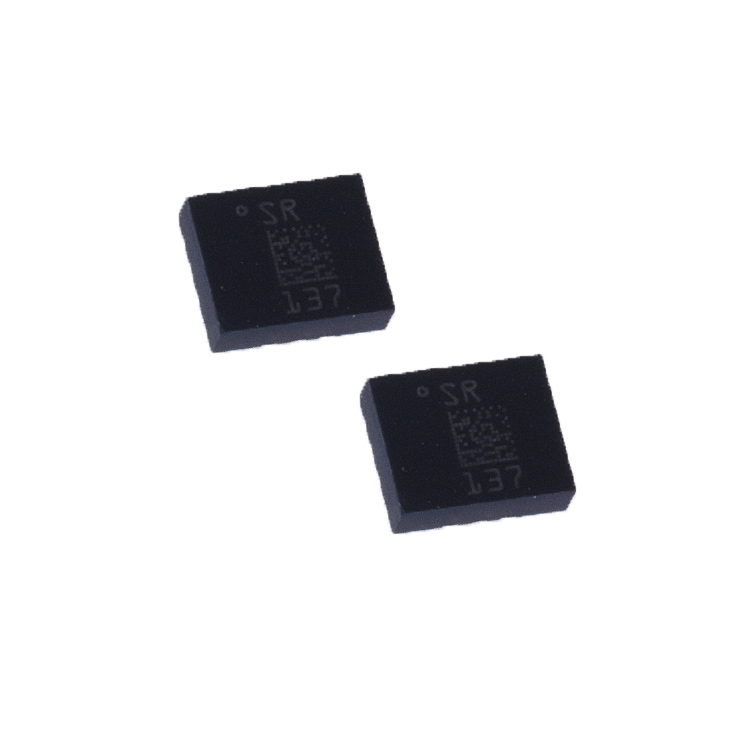
The applications that benefit most from these advanced sensing technologies share common characteristics: they require exceptional accuracy, consistent repeatability, and reliable performance under varying environmental conditions. From aerospace engineering to medical diagnostics, manufacturing automation to scientific research, the implementation of precision sensing solutions has enabled breakthrough innovations and improved operational efficiency across multiple sectors.
Modern aircraft rely extensively on high-precision sensors for critical flight operations and safety systems. Inertial measurement units, pressure sensors, and temperature monitoring devices work in concert to provide pilots and automated systems with accurate real-time data. These sensors must maintain exceptional accuracy even under extreme conditions, including rapid altitude changes, temperature fluctuations, and electromagnetic interference.
The aerospace industry demands sensors that can operate reliably across wide temperature ranges while maintaining measurement precision within tight tolerances. Flight management systems depend on accurate sensor data to optimize fuel consumption, maintain proper flight paths, and ensure passenger safety. Any deviation in sensor accuracy can have cascading effects on flight performance and safety protocols.
Aircraft engines incorporate numerous high-precision sensors to monitor performance parameters such as turbine temperature, oil pressure, and vibration levels. These sensors enable predictive maintenance strategies that reduce downtime and prevent catastrophic failures. The harsh environment within jet engines, characterized by extreme temperatures and pressures, requires sensors with exceptional durability and measurement stability.
Advanced sensor technologies in engine monitoring systems provide continuous data streams that support real-time decision-making and long-term maintenance planning. The precision of these measurements directly impacts engine efficiency, operational costs, and safety margins throughout the aircraft's service life.
Medical diagnostic equipment represents one of the most demanding applications for high-precision sensors, where measurement accuracy can directly impact patient outcomes. Magnetic resonance imaging systems, computed tomography scanners, and ultrasound equipment all depend on precisely calibrated sensors to generate accurate diagnostic images. The sensitivity requirements in medical applications often exceed those found in other industries.
Temperature sensors in medical equipment must maintain accuracy within fractions of a degree to ensure proper operation of sensitive diagnostic components. Pressure sensors in blood pressure monitors and ventilators require exceptional linearity and stability to provide healthcare professionals with reliable patient data for critical treatment decisions.
Implantable medical devices such as pacemakers, insulin pumps, and neural stimulators incorporate miniaturized high-precision sensors that must operate continuously with minimal drift over extended periods. These applications demand sensors with ultra-low power consumption, biocompatibility, and long-term stability under physiological conditions.
The precision requirements for implantable sensors are particularly stringent because recalibration is often impossible once the device is implanted. Glucose sensors in continuous monitoring systems must provide accurate readings to prevent dangerous blood sugar fluctuations, while pressure sensors in cardiac devices must detect subtle changes in physiological parameters.
Manufacturing industries increasingly rely on automated quality control systems that incorporate high-precision sensors for dimensional measurement, surface analysis, and defect detection. These systems must consistently identify products that fall outside specified tolerances while maintaining high throughput rates. The economic impact of precision in manufacturing extends beyond quality assurance to include reduced waste, improved customer satisfaction, and enhanced brand reputation.
Vision systems equipped with precision optical sensors can detect microscopic defects in electronic components, automotive parts, and pharmaceutical products. The ability to maintain measurement accuracy across varying lighting conditions and product orientations makes these sensors invaluable for modern production lines.
Chemical processing, semiconductor manufacturing, and pharmaceutical production all require precise environmental control to ensure product quality and yield. Temperature, pressure, and flow sensors in these applications must maintain accuracy over extended periods while operating in challenging environments that may include corrosive chemicals, electromagnetic interference, or clean room conditions.
The implementation of precision sensors in process control systems enables manufacturers to optimize production parameters, reduce energy consumption, and minimize material waste. Real-time sensor data supports advanced process control algorithms that can automatically adjust operating conditions to maintain optimal performance.
Scientific research laboratories depend on high-precision sensors for accurate data collection and analysis across numerous disciplines. Spectroscopy equipment, chromatography systems, and mass spectrometers all incorporate specialized sensors that must provide exceptional sensitivity and measurement repeatability. The credibility of research results often depends directly on the precision and accuracy of the underlying sensor measurements.
Environmental monitoring stations use precision sensors to track air quality, water pollution levels, and climate parameters with the accuracy required for scientific analysis and regulatory compliance. These long-term monitoring applications require sensors that maintain calibration stability over months or years of continuous operation.
Materials science research relies heavily on precise measurement of mechanical, thermal, and electrical properties. Load cells, strain gauges, and temperature sensors used in materials testing must provide accurate data across wide measurement ranges while maintaining excellent resolution and linearity. The development of new materials often depends on the ability to make precise measurements of material properties under controlled conditions.
Precision sensors enable researchers to characterize material behavior under extreme conditions, including high temperatures, pressures, or radiation levels. The data collected from these measurements contributes to the development of advanced materials for aerospace, electronics, and energy applications.
Modern vehicles incorporate numerous high-precision sensors to support advanced driver assistance systems and autonomous driving capabilities. LiDAR sensors, radar systems, and camera arrays must provide accurate distance measurements and object detection to ensure safe operation. The automotive environment presents unique challenges including vibration, temperature extremes, and electromagnetic interference from vehicle electrical systems.
Precision sensors in automotive applications must meet strict reliability requirements while operating continuously over the vehicle's service life. The accuracy of these sensors directly impacts the effectiveness of collision avoidance systems, lane-keeping assistance, and parking automation features.
Automotive engine management systems rely on precision sensors to optimize fuel injection timing, air-fuel ratios, and exhaust gas recirculation. Oxygen sensors, mass airflow sensors, and temperature sensors work together to ensure optimal engine performance while meeting strict emissions regulations. The precision of these measurements directly affects fuel efficiency, emissions levels, and engine longevity.
Modern diesel engines incorporate sophisticated exhaust aftertreatment systems that require precise monitoring of temperature, pressure, and chemical composition. The accuracy of these sensor measurements is critical for maintaining compliance with environmental regulations while optimizing engine performance.
Applications that benefit from high-precision sensors typically involve critical safety functions, regulatory compliance requirements, or processes where small measurement errors can result in significant quality or performance issues. Industries such as aerospace, medical devices, and semiconductor manufacturing often require measurement accuracies that exceed the capabilities of standard sensors. The cost of sensor precision must be balanced against the potential consequences of measurement errors in each specific application.
Environmental factors such as temperature variations, vibration, humidity, and electromagnetic interference can significantly impact sensor accuracy and long-term stability. High-precision sensors often incorporate compensation techniques, protective housings, and specialized materials to minimize environmental effects. Applications in harsh environments may require sensors with additional protection features, which can increase costs but are necessary for maintaining measurement integrity over extended periods.
The operational lifespan of high-precision sensors varies significantly depending on the application environment, operating conditions, and sensor technology. In controlled laboratory environments, precision sensors may maintain accuracy for many years with proper calibration maintenance. Industrial applications with exposure to harsh conditions may require more frequent sensor replacement or recalibration to ensure continued accuracy. Regular calibration verification and preventive maintenance are essential for maximizing sensor lifespan and maintaining measurement reliability.
High-precision sensors enable manufacturers to reduce waste, improve product quality, and optimize process efficiency, often resulting in significant cost savings that justify the initial sensor investment. Precise monitoring allows for tighter process control, reducing material consumption and energy usage. Early detection of process deviations prevents the production of defective products, minimizing scrap costs and customer returns. Additionally, predictive maintenance capabilities enabled by precision sensors can reduce unplanned downtime and extend equipment life.