
Power Management Integrated Circuits (PMICs) have become essential components in modern electronic systems, serving as the backbone for efficient energy distribution and regulation across diverse applications. A PMIC consolidates multiple power management functions into a single chip, offering designers streamlined solutions for complex power requirements while reducing board space and improving overall system reliability. Understanding how to select the right PMIC for your application requires careful consideration of various factors including input voltage ranges, output requirements, efficiency standards, and thermal management capabilities.
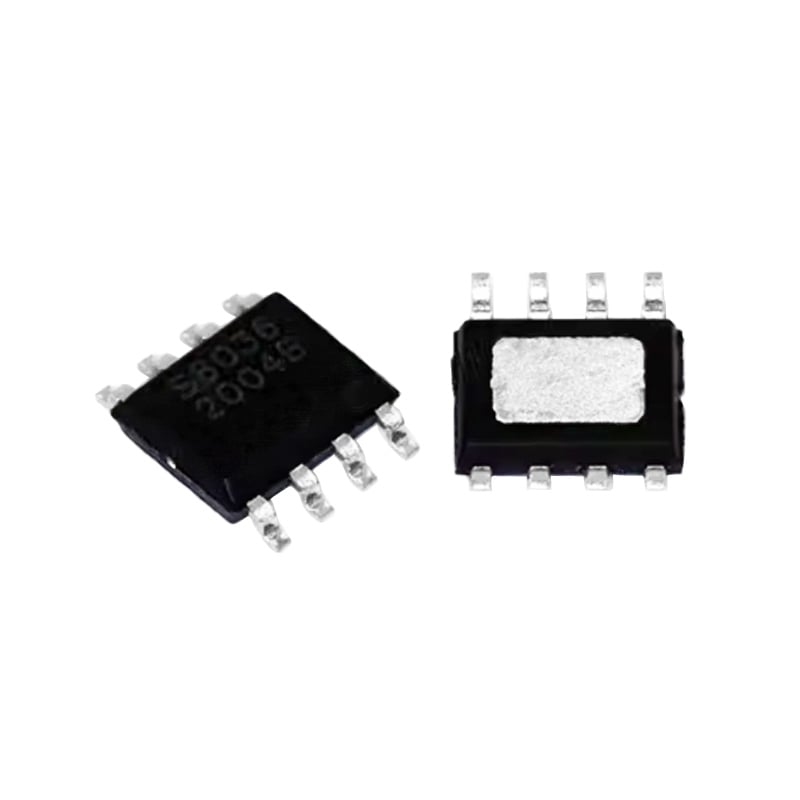
The selection process involves analyzing your system's power architecture and determining the optimal balance between performance, cost, and integration density. Modern PMICs incorporate advanced features such as dynamic voltage scaling, programmable output sequencing, and comprehensive protection mechanisms that enhance system robustness. These integrated solutions eliminate the need for multiple discrete components, reducing design complexity while improving power conversion efficiency and electromagnetic compatibility.
A well-designed PMIC typically integrates multiple voltage regulators, including buck converters, boost converters, and low-dropout regulators, enabling simultaneous generation of various voltage rails from a single input source. This multi-rail approach is particularly beneficial in applications such as smartphones, tablets, and embedded systems where different subsystems require distinct voltage levels. The integrated architecture allows for precise voltage regulation with minimal ripple and excellent load transient response, ensuring stable operation across varying load conditions.
Advanced PMICs incorporate sophisticated control algorithms that optimize switching frequency and modulation schemes based on load requirements. These adaptive control mechanisms enhance efficiency by automatically adjusting operating parameters to minimize power losses during light-load conditions while maintaining fast transient response under heavy loads. The result is improved battery life in portable applications and reduced thermal stress in high-performance systems.
Modern PMIC solutions incorporate comprehensive protection mechanisms including overvoltage protection, undervoltage lockout, overcurrent limiting, and thermal shutdown capabilities. These protection features safeguard both the PMIC itself and downstream components from potentially damaging operating conditions. Real-time monitoring capabilities enable system-level diagnostics and fault detection, allowing for proactive maintenance and improved system reliability.
The integration of power sequencing control ensures proper startup and shutdown sequences for complex systems with multiple voltage domains. This sequencing capability prevents latch-up conditions and ensures that critical system components receive power in the correct order, maintaining system integrity and preventing data corruption during power transitions.
The primary consideration when selecting a PMIC involves matching the device's input voltage range to your system's power source characteristics. Battery-powered applications typically require PMICs capable of operating across the full discharge curve of the battery chemistry, while AC-powered systems may need wider input ranges to accommodate line voltage variations. Output voltage accuracy and regulation specifications must align with the tolerances required by downstream components, particularly sensitive analog circuits and high-speed digital processors.
Dynamic voltage scaling capabilities have become increasingly important in modern PMIC designs, allowing real-time adjustment of output voltages based on system performance requirements. This feature enables significant power savings in applications where processing loads vary dynamically, such as mobile processors that adjust voltage and frequency based on computational demands.
Output current capacity represents another critical selection parameter, as the PMIC must provide adequate current headroom for both steady-state operation and transient load conditions. Peak current capability should exceed the maximum instantaneous current draw of connected loads, accounting for startup inrush currents and dynamic load variations. Efficiency specifications directly impact thermal management requirements and battery life in portable applications.
High-efficiency PMIC designs employ advanced switching topologies and synchronous rectification to minimize conversion losses. Efficiency curves should be evaluated across the entire load range, as some PMICs optimize for peak efficiency at specific load points while others maintain consistent efficiency across varying conditions. Applications with frequently changing load profiles benefit from PMICs that maintain high efficiency during light-load operation.
Modern PMIC solutions often incorporate digital control interfaces such as I2C or SPI, enabling runtime configuration and monitoring of operating parameters. This programmability allows system designers to optimize PMIC performance for specific applications and adapt to changing requirements without hardware modifications. Digital control also facilitates advanced features such as voltage margining, telemetry data collection, and fault logging for system diagnostics.
The ability to program output voltages, switching frequencies, and protection thresholds provides design flexibility and reduces the need for multiple PMIC variants across product lines. Some advanced PMICs include non-volatile memory for storing configuration parameters, ensuring consistent operation across power cycles and simplifying system initialization procedures.
Effective thermal management is crucial for PMIC reliability and performance, particularly in high-current applications or compact form factors with limited airflow. Package selection should consider thermal resistance characteristics, power dissipation requirements, and available board space for heat spreading. Advanced packaging technologies such as flip-chip and enhanced thermal pads improve heat transfer and enable higher power density implementations.
Thermal protection features including temperature monitoring and adaptive thermal management help prevent device damage while maintaining operation under challenging thermal conditions. Some PMICs implement thermal derating algorithms that automatically reduce output current or switching frequency as junction temperature increases, providing graceful performance degradation rather than abrupt shutdown.
Portable applications demand PMICs with exceptional efficiency and compact form factors to maximize battery life while minimizing board space consumption. Low quiescent current specifications become critical in battery-powered systems, as standby power consumption directly impacts shelf life and operating duration. Advanced power management features such as dynamic power path management and USB power delivery support enhance user experience in modern portable devices.
Battery charging integration within PMIC solutions provides additional value by consolidating power management and charging functions into a single device. This integration reduces component count, board space, and design complexity while ensuring optimal coordination between power delivery and battery management functions. Fast charging capabilities and multi-chemistry battery support expand application flexibility.
Industrial and automotive environments impose stringent reliability and temperature range requirements on PMIC solutions. Wide operating temperature ranges, extended qualification standards, and robust protection features become essential for harsh environment applications. Automotive-grade PMICs must comply with specific standards such as AEC-Q100 and demonstrate long-term reliability under mechanical stress and temperature cycling.
EMI performance assumes greater importance in automotive applications due to proximity to sensitive radio frequency systems and regulatory compliance requirements. PMICs designed for automotive use often incorporate spread spectrum modulation and optimized switching edge rates to minimize electromagnetic interference while maintaining efficiency and performance specifications.
Proper PCB layout plays a crucial role in PMIC performance, affecting efficiency, EMI generation, and thermal management. High-current switching nodes require careful routing with minimal loop area to reduce parasitic inductance and associated voltage spikes. Ground plane design and via placement influence thermal performance and electrical characteristics, particularly in high-frequency switching applications.
Component placement around the PMIC should prioritize thermal considerations and electrical performance, with critical components such as input and output capacitors positioned for optimal current flow and minimal parasitic effects. Kelvin sensing connections for output voltage feedback improve regulation accuracy by eliminating voltage drops in high-current paths.
The selection of external components such as inductors, capacitors, and feedback networks significantly impacts overall PMIC performance and cost. Inductor selection involves balancing core loss, copper loss, and saturation characteristics to optimize efficiency across the operating load range. Output capacitor selection affects transient response, output ripple, and loop stability, requiring careful consideration of capacitor technology and ESR characteristics.
Feedback network design influences regulation accuracy and dynamic response characteristics. Precision resistors and temperature-stable components ensure consistent performance across environmental variations. Some PMIC designs incorporate internal compensation networks, simplifying external component requirements while maintaining stability and performance.
Comprehensive PMIC testing involves evaluating efficiency curves, load regulation, line regulation, and transient response characteristics across the full operating range. Thermal performance testing under various load conditions ensures reliable operation within specified temperature limits. EMI testing verifies compliance with applicable standards and identifies potential interference issues that may require additional filtering or shielding.
Long-term reliability testing including temperature cycling, humidity exposure, and continuous operation stress testing validates PMIC suitability for the intended application environment. Accelerated aging tests help predict long-term drift characteristics and component degradation patterns that may affect system performance over the product lifetime.
System-level testing verifies PMIC compatibility with other system components and validates proper operation under real-world conditions. Power sequencing verification ensures correct startup and shutdown behavior, while fault injection testing validates protection feature operation and system recovery capabilities. Electromagnetic compatibility testing confirms that the PMIC integration does not compromise system-level EMI performance.
Software integration testing for digitally controlled PMICs verifies proper communication interface operation and configuration parameter programming. Telemetry data accuracy and protection threshold calibration ensure reliable monitoring and protection functionality throughout the system operating range.
PMIC efficiency depends on switching losses, conduction losses, and quiescent current consumption. Switching losses are minimized through optimal switching frequency selection, advanced gate drive circuits, and synchronous rectification. Conduction losses can be reduced by using MOSFETs with low on-resistance and optimizing current path design. Quiescent current optimization involves careful analog circuit design and intelligent power management modes that reduce consumption during light-load conditions.
Current rating selection should account for steady-state load requirements plus adequate headroom for transient conditions and component tolerances. Peak current capability must exceed maximum instantaneous load current including startup inrush and dynamic load variations. Consider derating factors for temperature, input voltage variations, and aging effects. A safety margin of 20-30% above calculated maximum requirements typically provides sufficient headroom for robust operation.
Essential PMIC protection features include overvoltage protection, undervoltage lockout, overcurrent limiting, and thermal shutdown. Short circuit protection prevents damage during fault conditions, while soft-start circuits limit inrush current during startup. Advanced PMICs may include programmable protection thresholds, fault logging capabilities, and hierarchical shutdown sequences. The specific protection requirements depend on application criticality and downstream component sensitivity.
Package thermal resistance directly affects junction temperature and maximum power dissipation capability. Exposed pad packages and flip-chip designs provide improved thermal transfer compared to traditional plastic packages. Thermal pad size, package material, and die attach methods influence overall thermal performance. Consider board-level thermal spreading, airflow availability, and ambient temperature conditions when evaluating package thermal requirements. Advanced packages may include integrated thermal monitoring and protection features.