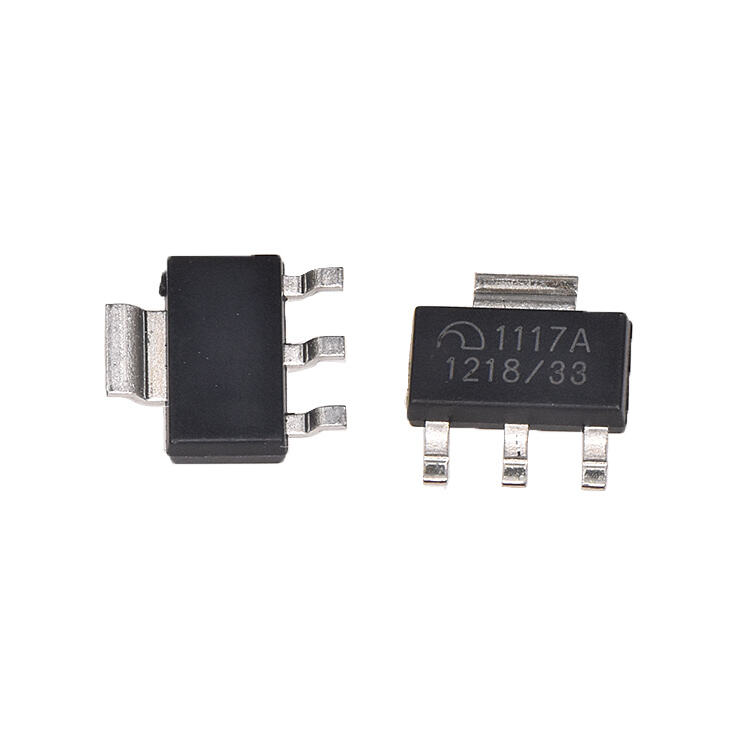
16 bit microcontroller
A 16 bit microcontroller represents a significant advancement in embedded system technology, offering enhanced processing capabilities and memory management compared to its 8 bit predecessors. These sophisticated devices can process data in 16 bit chunks, enabling faster computation and more complex operations. The architecture features a 16 bit wide data bus, allowing for efficient handling of larger numbers and more precise calculations. With typical clock speeds ranging from 16MHz to 100MHz, these microcontrollers can execute instructions rapidly while maintaining power efficiency. They commonly include built in peripherals such as ADCs, DACs, PWM modules, and communication interfaces like UART, SPI, and I2C. The 16 bit architecture supports a larger addressable memory space, typically up to 64KB, making it suitable for more demanding applications. These microcontrollers often incorporate flash memory for program storage, RAM for data handling, and EEPROM for permanent data storage. Their versatility makes them ideal for automotive systems, industrial automation, consumer electronics, and medical devices.