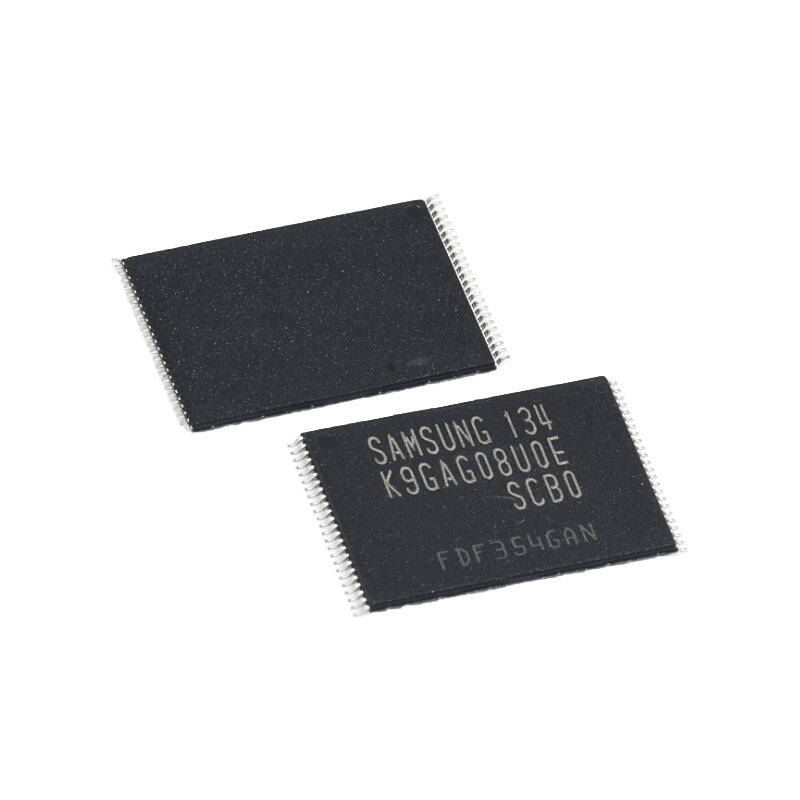
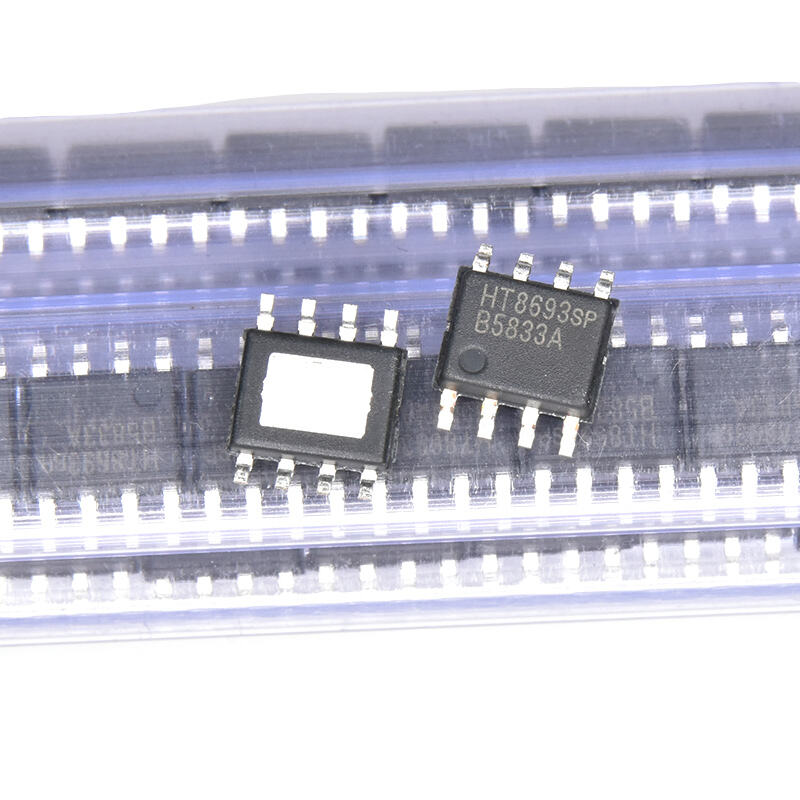
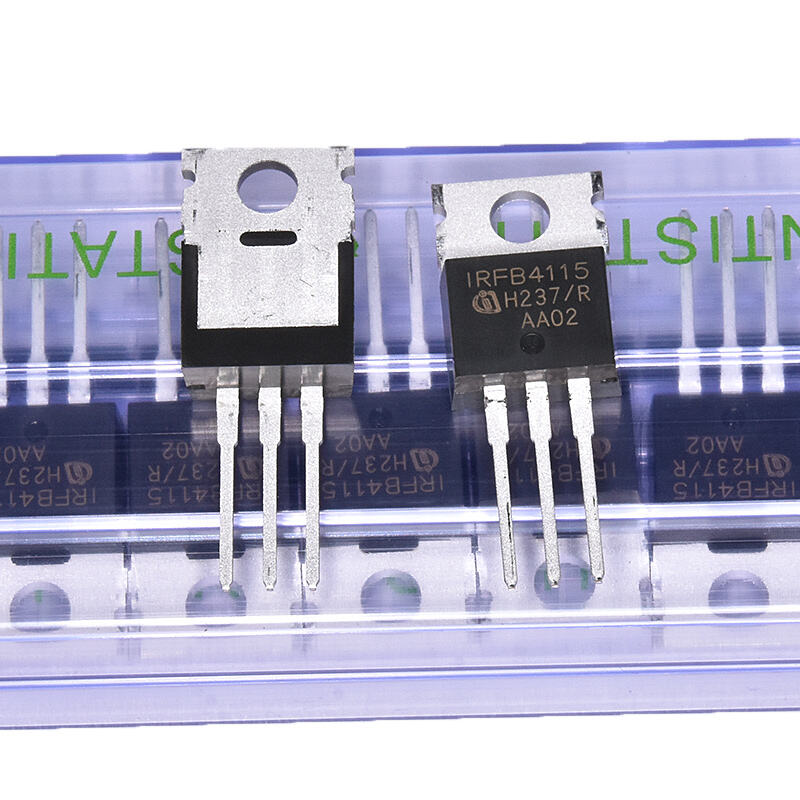
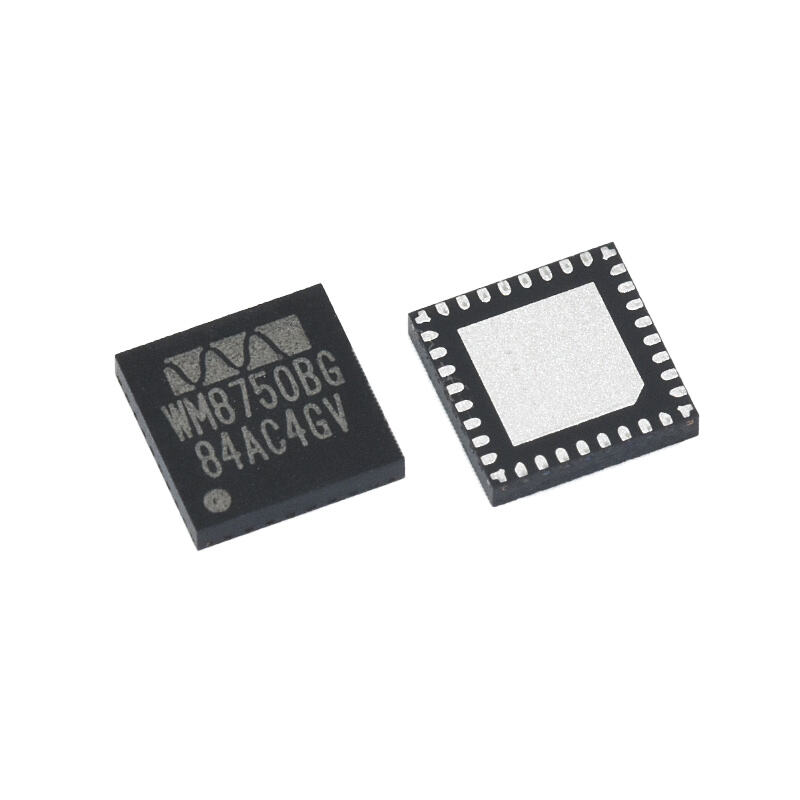
microcontroller module
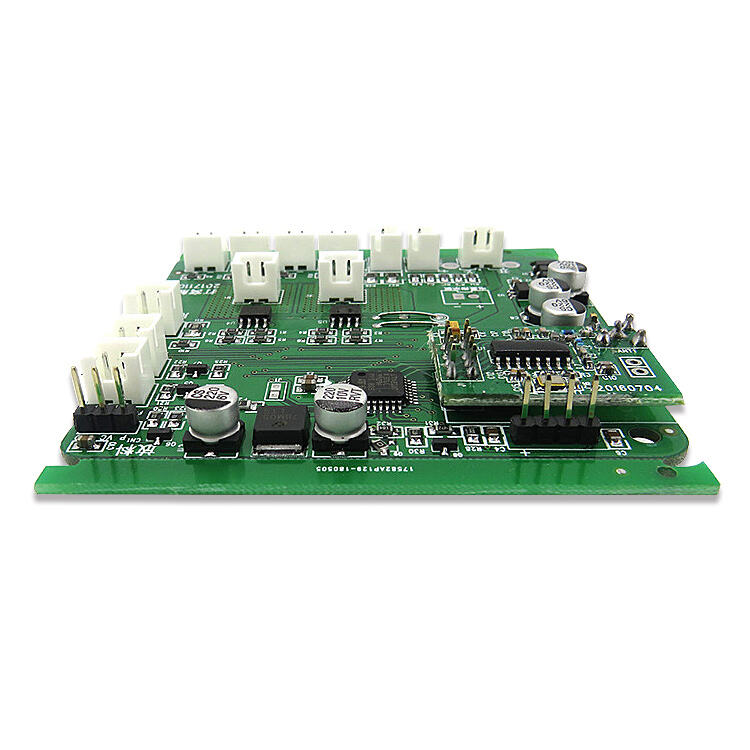
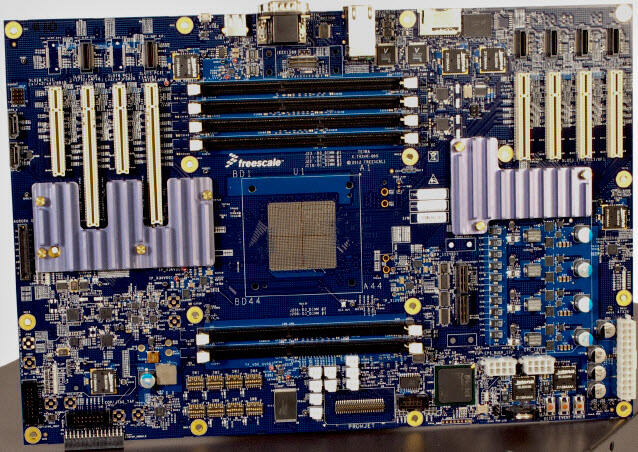
A microcontroller module is an integrated electronic system that combines a processor core, memory, and programmable input/output peripherals on a single circuit board. This compact yet powerful device serves as the brain of countless electronic applications, from simple consumer gadgets to complex industrial automation systems. The module typically features a central processing unit (CPU), various types of memory including RAM and ROM, digital and analog interfaces, and communication protocols such as I2C, SPI, and UART. Modern microcontroller modules often include advanced features like built-in analog-to-digital converters, pulse-width modulation capabilities, and real-time clock functionality. These components work seamlessly together to execute programmed instructions, process data, and control external devices. The module's versatility allows it to handle tasks ranging from basic signal processing to sophisticated control algorithms. With support for multiple programming languages and development environments, these modules enable rapid prototyping and efficient product development. Their robust design ensures reliable operation across various environmental conditions, making them suitable for both indoor and outdoor applications.