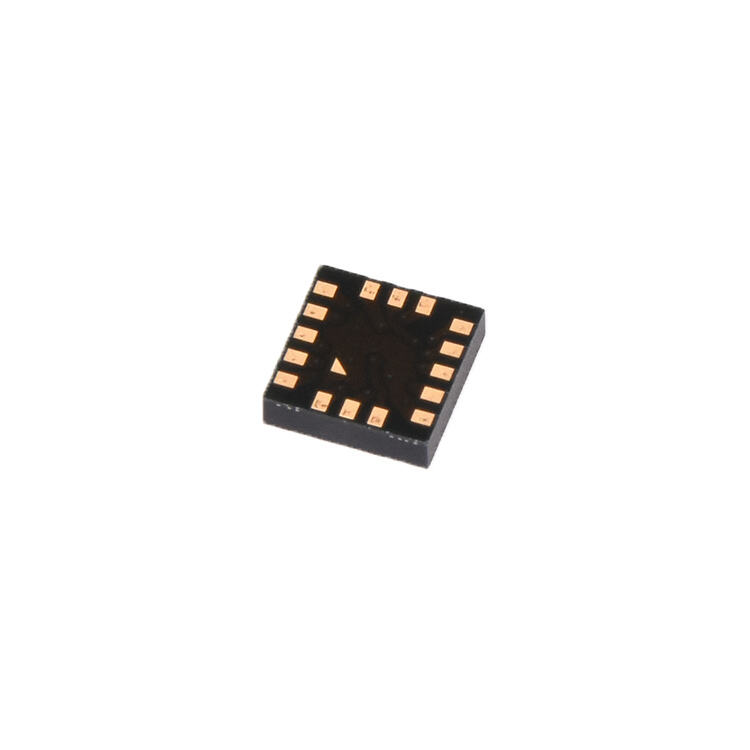
32bit microcontroller
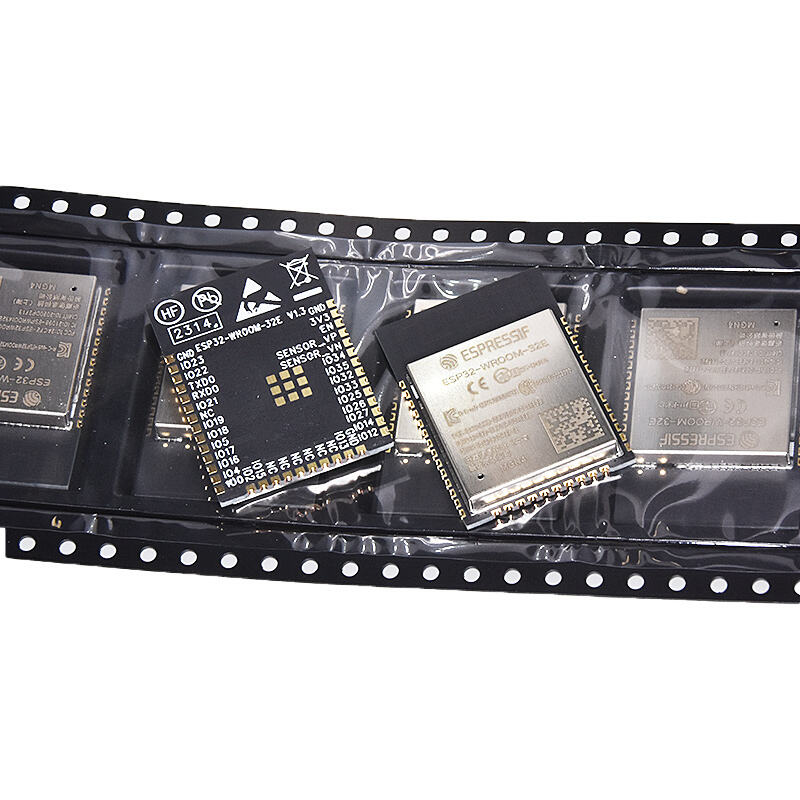
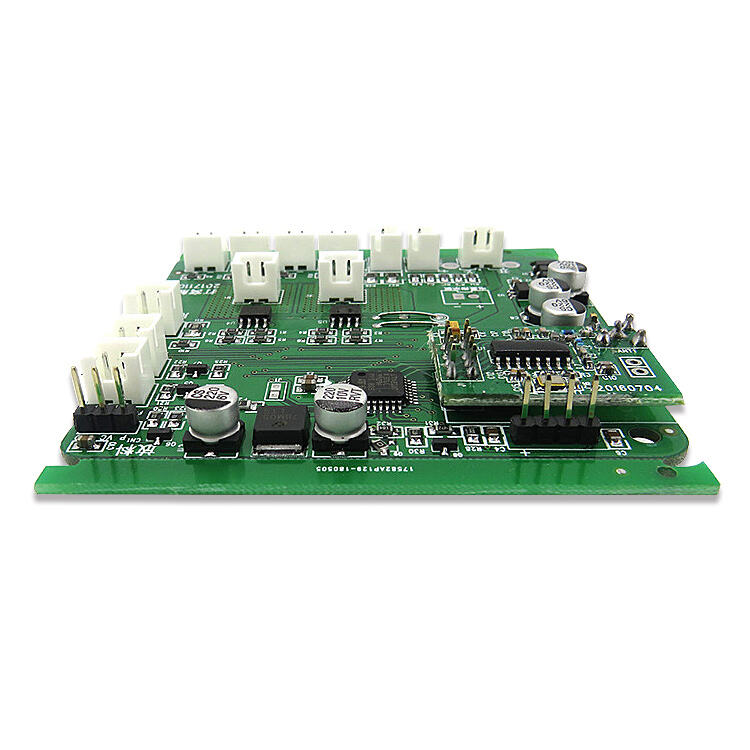
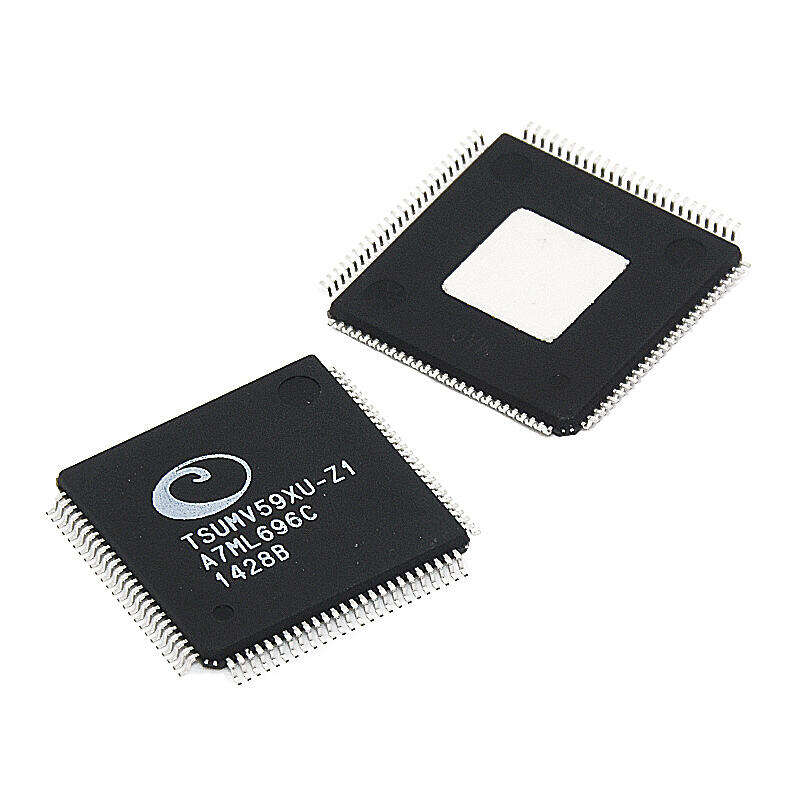
A 32bit microcontroller represents a significant advancement in embedded system technology, offering enhanced processing capabilities and superior performance compared to its 8bit and 16bit predecessors. These sophisticated devices integrate a 32bit CPU core with various peripheral components, including memory, input/output interfaces, and specialized hardware modules, all within a single chip. The architecture enables the processing of 32bits of data in parallel, significantly improving computational efficiency and speed. With clock speeds typically ranging from 48MHz to 200MHz or higher, these microcontrollers can handle complex calculations and real-time operations with remarkable precision. They commonly feature extensive memory resources, including flash memory for program storage and RAM for data processing, often supporting memory sizes from 256KB to several megabytes. Modern 32bit microcontrollers incorporate advanced peripherals such as high-speed USB interfaces, Ethernet controllers, advanced timer systems, and sophisticated analog-to-digital converters. These features make them ideal for applications requiring intensive processing, real-time control, or complex communications protocols. They find widespread use in automotive systems, industrial automation, consumer electronics, medical devices, and Internet of Things (IoT) applications, where their robust processing capabilities and extensive feature set provide the necessary foundation for sophisticated embedded solutions.